Showing posts with label Progressive Rock. Show all posts

Sunday, 26 July 2026

Ed O'Brien - "Blue Morpho" (2026)

For those who don't know, Ed O'Brien is Radiohead's lesser well known guitarist after Jonny Greenwood. Unlike Greenwood (and most other members of the band), he never really engaged in any side projects outside of the band. That all changed in 2020 when O'Brien released his first solo record, Earth, under the moniker EOB. While an enjoyable album, it felt a little tepid and unsure of itself. It had its foot in a handful of genres, but never went all in on any. The whole context around the album does point to some clues: Ed's choice to go by a moniker, the fact that it was pieced together on-and-off for the majority of the 2010s, and he even at one point considered to get Thom Yorke to do the vocals as he didn't feel comfortable being front and centre.

It's taken long enough for a follow up that I thought that maybe it was a once and done thing for Ed. Admittedly the pandemic scuppered touring plans for Earth and Radiohead finally returned from their touring hiatus in 2025, but 6 years is still a long time. It's been a long time for Ed as well, who has been quite candid in the promo for this release that in the intervening time he became quite depressed, feeling like he was both over being in Radiohead and not knowing who he should be outside of it. Similarly to the driving themes behind Earth, he took solace in being in nature and recording music by himself, at his own pace. Thankfully, Ed has come out of this dark period and has resulted in him being more confident and secure in his own artistic abilities and work. What has resulted is him ditching the EOB moniker and creating an album that is a much more confident and creatively daring (and overall better). 

Blue Morpho follows on from the folkier side of Earth, but mixes in a lot of post-rock and early Pink Floyd-esque psych rock, which results in quite a chill and formless record that effortlessly ebbs and flows between its moods and moments. Some of the tracks even veer into ambient territory. The nearly 8 minute opener, Incantations, gently eases you into the record with gentle chiming guitars and subtle effects, before slowly building over the course of its run. First comes in Ed's soothing, hypnotic vocals; then the drums and bass, and ultimately layering up the mix into something that feels both grand and understated at the same time. It progresses through a couple of stages where the song is stripped back to various different instrumental sections then built all the way back up again. It's a great opener and tone setter for the rest of the record. The 6 minute title track follows with much more ornate and pretty chamber folk instrumentation. The strummed guitar is matched with swooning strings and field recordings of chirping birds. It has a cinematic quality to it. I could see it fitting in perfectly alongside the transition to an exotic location in a Bond film, for example. 

The middle of the record pairs back the expansive song lengths somewhat, but the tracks still have a lot to offer with plenty of intricate moments. Sweet Spot starts as a gentle acoustic strummed tune, but the layers once again build up and a subtle samba rhythm emerges from the beat. Teachers is easily the most 'rockiest' and Radiohead-y of the songs here, sounding like a looser and less neurotic version of the kinetic grooves present on National Anthem, complete with spooky and disorientating effects and processed, distant vocals. However, where National Anthem descends into pure madness, Teachers pulls itself out with a triumphant guitar line and soaring vocals.

Solfeggio and Thin Places are essentially short ambient interlude tracks that give a little breathing room between Teachers and the closer, Obrigado. Solfeggio feels straight out of David Bowie's Low (I will finish the David Bowie reviews, I promise) with its subtle pulsating electronic bassline and fuzzy lead synths. Thin Places, on the other hand feels way more organic, as the main instrument in the mix is a super reverby and layered up panpipe. Obrigado then comes swinging in as the cool, confident closer; as Ed sings "Sunny days, sunny days awaiting me" against a bossa nova rhythm and jazzy keys and bluesy guitars. It's a song about coming through trouble to sunny days ahead and feels so triumphant and joyous. Much like the opening tracks, it's long and expansive (10 minutes in this case), and at the half way point it goes full prog rock and transitions into a second section that includes a super expressive guitar solo that is given full breathing room to warm up and slowly progress into an dramatic climax to close out the album.

I've been itching to talk about Blue Morpho since my first listen, but I've been too busy this summer to get round to it. And I'm actually glad about that, as it has only grown on me as I have spent more time with it. It has been the perfect soundtrack to these endless heatwaves, and has really seeped into my life. I'm sure it will be in my rotation for many summers to come, a feat the Earth sadly didn't manage. If you're a fan of Radiohead or just looking for something relaxing to stick on while you're enjoying yourself in the sun, I'd really recommend checking this out.

Top Tracks: Incantations, Blue Morpho, Teachers, Solfeggio, Obrigado

8/10

Wednesday, 2 July 2025

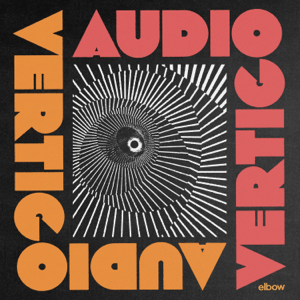
Elbow - "AUDIO VERTIGO ECHO elbow EP5" (2025)


Loads of great music has come out this past month, so lets kick things off with a quick one. Elbow have released this little companion EP to last years AUDIO VERTIGO record, with the frankly quite stupid full title of AUDIO VERTIGO ECHO elbow EP5". Not sure the band's name and that it is their 5th EP was strictly necessary but I guess that's what they've decided for some aesthetic reason. Anyway, written in some spare studio time after the AUDIO VERTIGO tour last year, the EP is very much a continuation of the album's musical ideas. The songs are quite high tempo and with a greater focus on groove and rhythm than a lot of the band's back catalogue.

The ECHO EP takes this one step further with borderline dance-rock grooves and a very bright, sunny atmosphere. Opener Dis-Graceland 463-465 Bury New Road matches a chunky, steady groove with prog-rocky synth sections and filtered, distorted vocals from Guy Garvey. The closer, Sober, takes heavy influence from Talking Heads with it's dance rock beat, chanted choral backing vocals and bizarre lyrics about "Where has all the money gone?". All very David Byrne. Timber is a slower track with a moody, creeping groove and eerie lyrics. The distant, twangy guitars and hazy synths add a lot of atmosphere to the track. The only moment I'm not as keen on is the single, Adriana Again. It is a quite rough and ready garage rock tune. It's far from bad, but feels quite basic by Elbow standards. The riff is simple and the melody gets quite repetitive by the end of the song.

The ECHO EP feels like a great continuation of what the band was doing on AUDIO VERTIGO without some of the awkward aesthetic choices that hindered a couple of the tracks on the album. These songs feel built from the ground up to be chunkier and groovier while still retaining the bands proggier instincts.

Top Tracks: Dis-Graceland 463-465 Bury New Road, Timber, Sober

8/10

Friday, 23 May 2025

Black Country, New Road - "Forever Howlong" (2025)


Forever Howlong is the third studio LP from the now critical darlings Black Country, New Road. And it has been hotly anticipated following the release of their truly sublime second record, 2022's Ants From Up There, which has grown into mine and many other's favourite record of the 2020s so far. It is such an unashamedly raw and heart-breaking look into the psyche of frontman Isaac Wood. The man was clearly heavily struggling during the creation of the record: and as has become part of the albums 'mythos' at this point, left the band just days before the albums release due to protect his mental health.

This left the band in a difficult spot, having lost their vocalist and one of the biggest driving forces behind the bands direction - and a tour booked that they did not want to cancel. They quickly wrote a bunch of songs to fill the set with, resulting in the release of the Live at Bush Hall live record. While honestly still a really great record, it certainly felt like a transitional moment for the group. While it retained some of the moodier post-rock and experimental rock stylings, it was nowhere near has dark and harrowing as the band's output with Isaac. Instead the band further delved into the chamber pop instrumentation that AFUT toyed with, and included more influence from 60's prog rock and folk music. Similarly, to ease the pressure of any one member being the primary vocalist, three members came forward to share vocal duties: bassist Tyler Hyde, keyboardist May Kershaw, and saxophonist Lewis Evans. And now with the release of Forever Howlong, the live album very much feels like a mid-point between the old and the new.

Forever Howlong pretty much does away with any of the remaining edge that was retained in Live at Bush Hall, basically being a full on baroque pop and progressive folk record. There is barely any electric guitar on the record. Evans has also has stepped away from vocal duties, having decided that its just not something he enjoys. In his place, Georgia Ellery (the group's violinist) has filled the third slot. This makes the most sense to be honest, as Georgia also fronts the art pop duo Jockstrap and is probably the most suited to the limelight in the band. The opening cut and lead single, Besties, exemplifies the records ethos compared to the band's past output. It is a lush, twee, somewhat Beatles-y baroque pop ode to friendship. It is very straight up and earnest, with none of the deflective references or tortured lyrism of before. All in all, it is a very cute tune and sets out the albums vibe and atmosphere very well.

Ellery takes the lead on two other tracks; Two Horses at the mid-point of the record, and the closer Goodbye (Don't Tell Me). These are two of my favourites on the record as Georgia has very confident vocal presence and the tracks as a whole are two of the least understated songs on the album. They feel like tentpole moments with their placement at the middle and end of the record. Two Horses is a galloping, multi-phased prog-folk tune that is initially quite stripped back and moody. The instrumentation slowly builds up, through the woodwind, mandolin and strings. Half way through, the percussion kicks in and the pace picks up. The plucked guitar style gives off a very Nick Drake feel to me. The track then gallops over itself into a sinister sounding climax as the protagonist of the song is betrayed and her titular horses are killed by her former love interest. It is a fantastical and theatrical song that really doesn't get old for me. Goodbye (Don't Tell Me) is probably the closest to an indie rock song, with its gentle acoustic strumming, whooshes of reverby electric guitar and quite a catchy hook. It nicely rounds off the themes of friendship that run through Georgia's tracks; and to bring back The Beatles comparison, it has that kind of full-circle feeling that Stg. Peppers has.

Kershaw also takes three songs, and much like Live From Bush Hall, they are most whimsical on the record. The Big Spin makes reference to fruit and vegetables and baking in a very retro, 'cottage-core' way; however has this subtext of letting go and cutting someone off in a way that seems like quite a traumatic experience. The title track also has this very whimsical presentation of mundanity of daily life, with lyrics about the waves of tiktok wellbeing videos and daylight lamps used for seasonal depression. Both tracks are understatedly really quite sad, but in a hazy, malaise-like way. This is is further enhanced by the very stripped back and spacious instrumentation on Forever Howlong, which is mainly focused around the woodwind section, with a handful of flourishes from the other instruments. For the Cold Country is certainly the most dramatic sounding of May's songs, and follows on from the fantastical story telling on Two Horses. It reads as a tragic lovestory between a knight and a maiden where he goes off to fight for glory and ultimately meets his downfall. The song develops from something very stark and simple into an elaborate, crashing crescendo that is one of the few moments on the record that sounds akin to AFUT.

As I expected from Live From Bush Hall, Hyde takes the most leads on the record; with those songs being the more moody and sombre tracks on the album. Socks initially meanders around spacious instrumentation, but at the 2 minute mark the percussion kicks in and all the other instruments slot into groove for the chorus. It all drops out again for the second verse before settling into a very 60's vintage pop sounding bridge and outro. Salem Sisters is also quite dynamic, but at just over 3 minutes it does feel like the track is doing a bit too much in not enough time. It features some great backing vocals from May and Georgia. Mary similarly acts as a bit of a reset in the middle of the album after the drama of Two Horses, and is a fine enough song but not a massive highlight of the album for me.

Tyler's two most significant songs on the record are her two on the back end, Happy Birthday and Nancy Tries to Take the Night. Happy Birthday is easily the rockiest song on the record, with some crunchy electric guitars popping into the mix. The themes around inherent sadness in people who, on the surface, appear to have everything they need is also quite poignant and well written. It has one of the punchiest hooks and radio-friendly climaxes of the record - probably why it was chosen as the second single. Nancy Tries to Take the Night is a multi-versed opus telling the tale of the fallout and stigma of an unexpected pregnancy. It is the kind of melodramatic showpiece that the band has steered away from since Isaac left; and while it doesn't have the wailing screams and cacophonies of sound of tracks like Sunglasses or Basketball Shoes, it certainly feels like one of the weightiest and commanding tracks on the record.

One thing I will say about record, and it is not necessarily a criticism, is that each song feels rather segmented from each other - leaving the arc and flow of the record as a whole quite flat. In some ways I quite like it, as it almost feels like the record is out of time and frozen in another place where the world doesn't move so quickly. But on the other hand, the sequencing of the record feels like it really doesn't matter, and most of these tracks could be placed anywhere else on the record (the fact that there is a collectors edition out there with different sequencing further highlights this).

I'm glad I've let Forever Howlong sit with me for a little bit, because it is a slow burner. But the longer I let it seep in, the more I like it. It's imaginative and unique, and takes me out of the grim realities of the modern world with these whimsical and fantastic stories. But they are all layered with a very real and meaningful subtext, making them very multifaceted. It doesn't feel quite as focused or cohesive as the groups first two record; but on a track by track level it is as good as the debut for sure.

Top Tracks: Besties, The Big Spin, Socks, Two Horses, Happy Birthday, For the Cold Country, Nancy Tries to Take the Night, Forever Howlong, Goodbye (Don't Tell Me)

8/10

Saturday, 22 March 2025

Squid - "Cowards" (2025)


Squid are back with their 3rd LP, Cowards. Following on from their excellent 2023 record, O Monolith, Cowards delves deeper into the band's more experimental and post-rock tendencies. The whole album revolves around the central theme of evil, and while Olly Judge's lyrics and vocal approach regularly dipped into manic and unhinged territory on their past material, the themes and narratives of these songs are way more upfront and explicit.

The opening cut Crispy Skin, for example, is quite obviously from the perspective of a cannibal who is having a moral crisis over their actions, flitting between questioning their decisions and a sort of psychosis where their brain is trying to force them to forget that they actually have done that. Musically, it feels like a bridge between the more wiry post-punk grooves of the debut (Bright Green Field) and the linear Krautrockian song progressions from O Monolith. Blood on the Boulders is this creeping post-rock slow burn and is much more stark and simple than anything Squid usually creates. The track has a hot desert-ish atmosphere that compliments the cultish lyrics detailing a murder under the California sun and the obsessiveness of true crime fanatics wanting to know every last detail. The track slowly unravels from this slow and plodding pace into a typical noisy Squid climax, with the contrast really paying off. Fieldworks II similarly has the atmosphere of a slasher flick, referencing broken bones and wiping blood from ones face against a backdrop of chiming guitars and cinematic strings. The closing line "I don't look in the lake." is particularly chilling.

The other tracks in the first leg of the record aren't quite as interesting, which leaves it feeling a little lopsided. Building 650 is essentially a musical retelling of the Japanese crime novel In the Miso Soup, which is about a serial killer, with none of the deeper commentary or weirdness that other moments on the record have. The track is also musically the most bog-standard Squid. It's not bad (there are definitely songs off BGF that are weaker), but it lacks the unique bells and whistles that most Squid songs have. Fieldworks I acts more as an interlude at the mid-point of the record than as a lead into Fieldworks II but also doesn't really stand on its own, so does just feel a bit odd and unfinished.

The second half of the record is where it really gets into its groove, starting with Cro-Magnon Man. Similarly to Building 650, it's stylistically quite classic Squid, but the weird as hell lyrics about the odd-ball, vintage horror film-esque titular character and frenetic keyboards really draw me in. The title track is a slow jazzy post-rock piece that reminds me of a cross between Kid A era Radiohead and the quieter moments on Black Country, New Road's debut. Showtime! really is the albums piece de resistance, going through multiple phases - starting as a erratic, scratchy post-punk track before moving into an expansive space rock section that then settles into a driving krautrock finale. The closer, Well Met (Fingers Through The Fence) is drawn out and patient, building up the tension through its claustrophobic first half which is then let out in the spacious and ascending second half.

Cowards is another good (and sometimes great) album from Squid. It's not quite as consistent as O Monolith and I think I prefer the quite alien and otherworldly atmosphere of that record to the more gritty and down to earth approach taken to the songwriting here. It's still very inventive and engaging and well worth checking out if you like this kind of neurotic experimental rock.

Top Tracks: Crispy Skin, Blood on the Boulders, Fieldworks II, Cro-Magnon Man, Showtime!, Well Met (Fingers Through The Fence)

7/10

Sunday, 12 January 2025

The Smile - "Wall Of Eyes" (2024)


Nearly a year ago now The Smile released their second record, Wall Of Eyes. It came at a point in time for me that I couldn't truly get into it or appreciate it to its fullest extent - partially because we've had a lot of Radiohead-adjacent projects over the past few years, and partly because the slow and meditative nature of the record didn't fit with how busy and exhausting my life at the time was. But it's intricacies and overall quality has stuck with me over the past year, and is certainly a step up from the already good debut record from 2022.

My main criticisms with the debut record was that it was a bit too long and unfocused, and somewhat lacked its own identity outside of the Radiohead legacy. Many of the tracks felt like they could've cropped up on a number of Radiohead albums. Wall Of Eyes definitely rectifies this, being a tight 8 tracks that takes the subtler more jazz and post-rock influenced moments of the debut and pushes further in that direction. What results is a very quiet and meditative record that really seeps into your bones as you listen.

The record opens with the gentle strumming and distant bossa nova drumming, before Thom Yorke's nazal-y falsetto vocals and layers of washed out synths and strings come into the mix. The structure of the track is fairly simple and repetitive, with the emphasis much more on the texture and atmosphere created. Teleharmonic further builds on this pensive and low-key mood, pairing Thom's voice up with a simple metronomic drum beat and some deep, warble-y synths. The first half of the track is eerily spacious. The bass kicks in from the midpoint and the drum patterns become more complex as Thom's vocals become more impassioned. The linear build of the song is very intricate and subtle and does feel like the band is taking you on a journey through an eerie and unfamiliar setting.

Read The Room is an interesting switch up from the first two tracks, being a more immediate crossover between krautrock and psychedelic Anatolian rock. The guitars are heavier and crunchier, the drumming is rhythmic and hypnotic. The vocal and guitar melodies spiral and wrap around each other. It's something I haven't really heard Thom or Johnny do before and I think they pull it off really quite well. Under Our Pillows continues this more uptempo pace, although it is my least favourite of the record overall. The song is a nervous, twangy post-punk / krautrock track that would have fit snugly alongside many of the tracks from the debut. It just feels like a bit of a leftover amongst the rest of the tracks which are much more patient and focus on texture and timbre rather than the scitzo energy of those moments on the debut. 

Friend Of A Friend is a slow piano ballad that unravels into a jazzy climax with some brilliant chord progressions. The song becomes quite dynamic as it progresses. I Quit is a washed out and reverby bit of ambient pop reminiscent of the atmospherics of A Moon Shaped Pool. The song is drenched in this cinematic strings and would be at home on a film score. This leads into the grand centrepiece of the album, the 8 minute Bending Hectic. This track is just as cinematic as I Quit, as Thom details essentially driving his car of the side of a mountain in Italy with such vivid and colourful imagery. The song slowly builds from discordant strumming and erratic drumming into dramatic and swooning strings, highlighting the difference in emotions between the initial panic of what he's just done into the euphoria of feeling like he flying. The track then progresses into its menacing final section as he's hitting the ground - the guitars are overdriven and wailing, the drums pummelling. It's a brilliant piece of progressive rock. After the climax of Bending Hectic, the record closes out with the quite stark comedown of You Know Me. I think its a great closer for the record. It has a wistful and longing energy that I really enjoy.

Wall Of Eyes really showed why The Smile exists and is an improvement on the debut in every way. It's one of the least rockiest out of any of the Radiohead side ventures, but I think that is to its strength, because these tracks are all about their texture and atmosphere and they sound beautiful and intricate. It's a shame that the 3rd record, Cutouts, was released so quickly after this and didn't really continue in this direction, because I think they had really hit on something here.

Top Tracks: Teleharmonic, Read The Room, Friend Of A Friend, I Quit, Bending Hectic, You Know Me

8/10

Saturday, 8 June 2024

Elbow - "AUDIO VERTIGO" (2024)

I had a suspicion that Elbow's previous album, 2021's Flying Dream 1, would grow on me; and it definitely did. Recorded during the malaise of pandemic lockdowns, it was a very subtle and patient album that was soaked in nostalgia and appreciation for the smaller things in life. When it first released, I was not in a place in my life where I could really resonate with its beautiful simplicity and wholesomeness, but with time I grew to really appreciate it. AUDIO VERTIGO, by contrast is in some ways pivot back to the larger scale anthems that the band are know for; although quite the shake up in the methods used to achieve those arena sing-alongs.

On AUDIO VERTIGO, the band has made a conscious effort to include more prominent and groovier drum rhythms, resulting in 'chunkier' feeling tracks with more urgency and kinetic energy to them. Alongside this, the symphonic string sections that are hallmark of Elbow's sound have been replaced by bombastic horns and fuzzy 80's prog-rock synths. The songs are shorter and more immediate, and at twelve tracks (ten if you don't count the two interludes) and a trim 39 minutes, it is as about as in your face as the band have ever been. For a band that is known for their delicacy and 'sophistication', it is far from that.

Guy Garvey's trademark lyrical prowess is still firmly on display, though. The opening track, Things I've Been Telling Myself for Years, details an alternate history of the band if they broke up after the release of their first record, Asleep In The Back. Garvey plays the character of a smarmy, washed up rockstar against a chugging rhythm section reminiscent to Asleep In The Back's opener, Any Day Now - a nice call back which fits the moody atmosphere of the song perfectly. This launches into the two big singles of the record, Lover's Leap and Balu. Lover's Leap is built around a rumbling drum and bass groove and looping triumphant horns. The lyrics are fairly broad and non-descript, painting a picture of a dramatic, all-consuming romance, but they are merely set dressing for the bombastic groove of the song. The brief interlude before Balu describes the following song perfectly. "Give it fat, wide wheels" Garvey remarks in a studio snippet, which is exactly what the song sounds like. It's gnarly and raucous, with chunky riffs and and fuzzy, descending synth lines. The titular character is an amalgamation of all the 'bad-influence' drinking buddies Guy Garvey has had over the years, and the lyrics of the song imply a kind of 'Icarus flying too close to the sun' motif to the story, which adds a lot of depth and intrigue to the track.

The album slows down at this point, while retaining the chunkier and blockier feel to the rhythm section. Very Heaven is a nostalgic look back at Garvey's late teens after moving out for the first time. It's a cute and simple song, but I feel it is a little restricted by the bands desire for every song to have a more prominent grooves on every song. The rhythm on this one feels a little clunkier than those that preceded it on the record, and stops me fully seeping into the dreamy nostalgia the lyrics try and convey. The song is at it's best when the groove takes a backseat and is swallowed up by the atmospheric synths and chiming guitars during the chorus. On the other hand, I really like the way the grooves on Her to the Earth are presented. They're much stronger, and slightly funky, allowing for Guy's beautiful vocal range to show off a bit (with the addition of a nice backing choir for a little extra). The track contrasts between these funky, synth-y sections and more traditional Elbow chiming guitars and swooning vocals. It's the track most reminiscent to me of the sounds of the 80's prog rock that I mentioned earlier.

The second half of the record kicks of with The Picture, which is just a raw unleash of energy. The band ditches the drum grooves for something more straightfoward, and the guitars chug along. There are little progressive touches to the song (the little countermelodies just before the chorus kicks in are a lot of fun), but at its core, its just a straight up energetic rock song. The lyrics are also some the best on the record, focusing on the breakdown of a messy relationship, but their being a picture on the internet somewhere of the couple just enjoying themselves before it all hit the fan that is unable to be located and deleted. The idea using a picture to convey the decay and shades of grey in a relationship dynamics is a really inventive lyrical device and the song has a lot of fun with it.

Despite the strong start to the second half, as whole it feels a little thin on the ground compared to the first leg of the record. Poker Face is less than two minutes and is over in a flash, and Embers of Day is another short interlude track. In-between these sits Poker Face, which is a song that has grown on me quite a lot since first listen. It is a sombre break-up ballad, and much like Very Heaven, on first listen I thought the chunkier groove to the song didn't suit the vibe all too well. But on repeats I've really begun to appreciate the way the track layers up as it progresses, creating an atmosphere that is subtly disorienting, particularly as the jangly and chiming guitars come in during the last minute.

Embers of Day brings us into the grand finale of the record, which in typical Elbow Fashion is a massive sounding anthem in the penultimate spot followed by a quiet and reflective comedown to close out the record. Good Blood Mexico City is this records 'anthem', but in reality its nothing like One Day Like This or Open Arms. It is just a straight up rock banger that is just shy of three minutes. The song opens with a short verse section with chiming guitars before the chorus hits with a wall of thrashing distorted guitars and chanted vocals. It's even kind of punk-y (for a band that is about as far from punk as rock music gets). From the River slows it down again, and is the longest song on the record, but unfortunately I don't feel it does all that much with the length and suffers from the same problems that a lot of the other slower cuts have thus far. The groove is just a bit clunky and I feel subtler instrumentation would have suited the whimsy of the song much better.

AUDIO VERTIGO has some really excellent moments, and shows that the band have no ideas of just settling into safe and predictable song writing that a lot of artists do at 10 albums into their career. However it doesn't always pay off and it is probably the groups least consistent record for me. But there still isn't even a meh track here, and I can see the merits in all of them (even if some of the aesthetic choice don't land 100% of the time). I had the pleasure of seeing the band live last month and I can say these songs certainly hold up in the live setting next to the bands very best.

Top Tracks: Things I've Been Telling Myself for Years, Lover's Leap, Balu, Her to the Earth, The Picture, Knife Fight, Good Blood Mexico City

7/10

Sunday, 23 April 2023

Black Country, New Road - "Live at Bush Hall" (2023)


This is the first time I've reviewed a live record on the blog, as admittedly I tend to dismiss them as less essential parts of an artist's catalogue (a totally wrong assumption I know!). However, this one has a particular significance that I think will define it as an important listen years from now when going through the band's discography. That being that this is the first release since the departure of the group's vocalist and integral member, Isaac Wood. So unlike a typical live album, this isn't versions of songs we have already heard, but entirely new ones that the group have written and toured live since Isaac's departure last year. And judging by comments the band has made in relation to this live album, it's unlikely they are going to get the studio treatment for the groups third LP. So in effect, this live album is the band's third studio album, except that it is recorded live and in front of an audience.

I've been anticipating what direction the band will take since Isaac left, as his unabashedly honest and neurotic (and sometimes borderline unhinged) persona behind the mic was a big draw of the band for me and many others. While there are a lot of changes to the sound, I am surprised by how consistently it follows on from last years LP, Ants From Up There. Despite how Isaac's personality is so intrinsically tired to that record, the band quite effortlessly follow on in that musical direction on this album. It leans a little more into the chamber pop and indie sides of AFUT rather than the progressive and post-rock parts of that record, and the band has chosen to have three lead vocalists rather than one, but its not a hard switch up in sound (I'd say the progression from the debut to AFUT is more jarring).

The record opens up with the Triumphant Up Song, which comes across as the mission statement of the record. Crashing baroque pop crescendos are matched up against bassist Tyler Hyde's emotive but optimistic vocals singing the group's catchiest pop hook yet - "Look at what we did together, BC, NR friends forever!". The song feels very much like a celebration of the band's achievements thus far, while still be forward looking and optimistic for their future without Isaac. Regardless of whether it ever ends up on a studio release, it feels like an anthem which will remain in their live set for a long time. The record ends with a reprise of the song, which only amplifies the weight of it to the band.

Hyde has the most leads on the record, singing on 3 of the remaining 7 tunes, which I can see her being positioned as the band's lead vocalist going forward. This makes sense as her vocal and lyrical style is the closest to Isaac's out of the three. While nowhere near as dark and uncomfortable, she brings a sense of upfront rawness that lines up with the band's output on the studio albums. I Won't Always Love You quite bluntly progresses through the slow disillusionment felt at the end of a relationship, with the first line being "I will always love you" and the last being "I won't always want you". The track linearly builds from slow, folky acoustic guitar through to some meaty bass and finally a cacophonous  crescendo of piano, sax and guitar. Laughing Song shows the other side of the coin, with Hyde quite obviously blaming herself for the end of this relationship, exposing her character flaws and claiming that she let the 'best person she knows walk away' on the bridge. The track is one of the slower and more reserved on the record, but still feels like it has so much weight and heft to it as it builds to it's thunderous refrain. The last of Hyde's tracks is the penultimate song, Dancers. It's the only track here that I haven't really connected with like the others, it's the only one that does feel like it's a work in progress. The story of the song isn't particularly fleshed out, and the refrain of "Dancers stand very still on the stage" does start to wear thin by the end of the track. 

Saxophonist Lewis Evans and keyboardist May Kershaw lead two tracks each, and both bring a very different vibe and tone to the songs they feature on. Evans' tracks have a earnest sense of joyousness and hope to them, with his slightly nasal and very English sounding vocals. His presence on these songs gives me the same vibe as the awkward, lovable English guy that Martin Freeman and Eddie Redmayne are typecast in films. Across The Pond Friend is so sweet, telling the story of a long distance relationship and the longing that comes when you're an ocean apart. It's just very wholesome with its ascending piano lines and swells of sax. The Wrong Trousers is similarly earnest, with Evan's revealing the impact of Isaac's departure from the band on him. The track is more low key than Across The Pond Friend, and presents the situation from that same awkward, lovable guy perspective. Lewis is not mad that Isaac left, just proud of what they achieved together as a band. The Wallace and Gromit reference in the title is also a great touch.

Kershaw's songs are definitely the most different from anything else from the band's output, both with Isaac and on this record, being very indebted to folk and singer / songwriter styles. The record's second track, The Boy is a folky, multi-part story of a robin with a broken wing on a journey through the forest to find someone who can fix it for him. It has quite a theatrical and vintage feel to it, like something you'll here in a local folk festival (as opposed to the band than made a track like Sunglasses 3 years ago). It's very different for the group and works incredibly well. Kershaw's other track is the nearly 10 minute slow burn, Turbines/Pigs. The song starts off as a simple tune comprised off a simple piano melody and Kershaw's vocals, slowly progressing through the song allowing her isolating and evocative lyrics to resonate deeply. Kershaw imagines herself as pig flying up into the air, above turbines, leaving everyone and everything behind. It's hauntingly self deprecating as she sings "Don't waste your pearls on me", as if she's telling us she doesn't feel good enough for anyone's affection. The track slowly builds to a cathartic climax. It's a beautiful song and one of the real highlights of the record.

Live at Bush Hall is definitely more than a footnote in the BC, NR's story, and it clearly shows the band are still on top form despite such an important shift in personnel. It's not quite on the same level as AFUT, but that is a ridiculously high bar to set. I do hope a fair few of these songs get the full studio treatment, as they absolutely deserve it. I'm left even more intrigued about the band's next steps now, as on this record it doesn't seem like there are any definitive direction's on who the lead singer will be going forward (or whether it will remain all three), or quite what style they should follow for LP 3. I also think it might be a good gateway into the band for people who found Isaac's vocals and lyrics a little to off-putting and pretentious.

Top Tracks: Up Song, The Boy, I Won't Always Love You, Across The Pond Friend, Laughing Song, The Wrong Trousers, Turbines/Pigs

8/10

Tuesday, 11 October 2022

black midi - "Hellfire" (2022)


Following straight on from last years Cavalcade, black midi are back with their 3rd record, Hellfire. The band claimed that 'if Cavalcade was a drama, Hellfire is an action movie', and that certainly is the case with all of the elements that made up that record returning but with supercharged intensity and ferocity. The complicated, technical grooves that build the base of their sound are here, alongside the fusions of classical and jazz instrumentation that Cavalcade brought along - but is all brought forward in a much more immediate and forceful way. The record is two tracks longer than Cavalcade yet is nearly four minutes shorter, so it doesn't have time to ebb and flow in the same way as that album. It's a breakneck rollercoaster to the finish. 

The most obvious change to create this sense of immediacy is the approach to lyrics and themes. This is the first time a bm record has presented its ideas so blatantly, with the stories these tracks tell actually intelligible - as opposed to the obtuse doom propheteering of Cavalcade and the general psychotic ramblings of Schlagenheim. The titular intro track spells out all that Hellfire is, being the grim reality of mortality and death, the graphic brutality of war and the ideas of sin and damnation that try to make sense of all the madness. 

The more upfront lyrics of the album combined with the sprint to the finish pace make it probably the most accessible bm record of the three, with the tracks on the first half of the record just rolling into each other with no room to let up. Following on from the intro track, Sugar/Tzu opens with a theatrical sporting announcement before exploding straight into pummelling arpeggios and bombastic horns - reinforcing the themes of the trivialisation of war through viewing it as some kind of game where personal glory can be gained. The end of the song crashes straight into Eat Men Eat, a less brutal but just as tense track sung by bassist Cam Picton. The sinister flamenco groove of the song perfectly matches the creepy and graphic tale of mutiny and food poisoning as a mine captain tries to poison his workers to produce stomach acid to be the secret ingredient in has wine production. It's graphic and weird and reminds me of those slightly traumatising kids stories you'd see on CBBC in the 2000's (obscure reference, I know).

This then bombards straight into Welcome To Hell, the lead single and anchor for the albums themes. Geordie Greep plays the role of a WW1 recruitment / training officer, luring in the character of Tristan Bongo to sign up with tales of glory and adventure, before revealing his true intentions about using him purely as a tool to kill others in the 'game of war' and descending into abuse and eventually discharging him for not withstanding the trauma and developing PTSD. Musically it is perhaps the most refined of the bm cacophonous walls of sound / pummel your face off type tracks which matches the vocal delivery from Greep perfectly. Still is the first time the album lets up, and after the intensity of instrumentation and lyrics of the first four tracks it is a necessary breather. Lyrically it is the most lightweight on the record, being a mere breakup song - as opposed to the traumatising horrors of humanity thus far. It has a country twang to it and there's a particular part towards the end where it progresses into a kind of barn dance breakdown that I really like and wish lasted longer than a couple pf bars. As much as I like Still, it does feel at odds with what comes before and after it in the record. Where every other song is about the traumatic depths of humanity, Still is just a kind of sad but generally calm and unemotional breakup tune.

Half Time brings back the sporting themes from Sugar/Tzu and signals the transition to the back half of the record, which unfortunately doesn't grip me like the first half. The Race Is About To Begin picks up the story of Tristan Bongo after Welcome To Hell, where he descends into a gambling addiction betting on horses. The song has musical similarities and call backs to that track, which in my opinion means it struggles to set itself apart in its first phase. As the track progressive, Greep's vocals descend into this staccato semi-rapped / semi spoken word delivery reminiscent of a horse racing commentator; and while it does distinguish it from Welcome To Hell, it feels a little gimmicky and the track as a whole goes on way to long. On every listen for me, Dangerous Liaisons and The Defence slide into background, they're just fairly unremarkable compared to the front end of the record and black midi in general. They follow the same themes as the rest of the record, with more of a religious slant dealing in temptation and sin and hypocrisy. Perhaps it's just the sheer bombardment of words and ideas of the record up to this point that I am just desensitised to the themes by this point.

27 Questions Closes out the record and one again brings back some of the lost intensity with thunderous pianos and crashing percussion, sounding like some kind of march towards inevitable death. Which is what the song is about as the protagonist escapes awful weather out in town one night in a free admission show by the character Freddie Frost, a washed up actor making his last play about his life's achievements as he is on deaths door. The whole first half feels sinister and foreboding as the play tries to dress up Freddie Frost as a grand and accomplished figure, before the second half completely unravels it. It's sung from the perspective of Freddie, and becomes the play he has written, which he finishes off by listing off his 27 questions about 'life the universe and everything', completely demolishing the fake grandeur of the performance, declaring it pointless and farcical in the face of death, becoming completely self-deprecating before he drops dead on stage before he could even finish his 27 questions. I am really mixed on the track, as I get what it's trying to do, and I really love the musicality of the first half. But the flip to Freddie's perspective both musically pushes the theatricality of the album just a little over the edge into a territory I can't really take seriously, and also feels like the record descends into that kind of sixth form 'nihilism = clever' territory.

I guess that's my biggest problem with the record when compared to Cavalcade. As the lyrics and themes are more prominent this time around, its more easy to see that when you strip back the technical musicianship and wordy, meaty lyrics, its just plain nihilism. And while there's a place for it in music, dressing it up as something more profound than it actually is does rub me the wrong way a little. It gives off that 'look I'm more clever than you' vibe. Cavalcade was more patient, and more mysterious and wonderous, and more consistent. That being said, I very much enjoy the first few tracks here, musically and lyrically; and on the whole I'd take it over the somewhat shock value allure of Schlagenheim.

7/10

Top Tracks: Hellfire, Sugar/Tzu, Eat Men Eat, Welcome To Hell, Still

Thursday, 7 April 2022

Black Country, New Road - "Ants From Up There" (2022)


Quickly following up from their breakthrough debut last year, Black Country, New Road's second album feels notable in quite a few ways. Much like their fellow scene contemporaries, black midi, the group have change up their sound a great deal for their sophomore record. However, where black midi traded the most abrasive elements of their sound for something less harsh, yet more technically complex and experimental; BC, NR have switched their experimental and jazz leanings for a much softer fusion of post-rock and chamber pop, with some actual pop hooks to boot. The record is also significant because the band announced the departure of lyricist and vocalist Isaac Woods just days before the records release to prioritise his own mental health. It's important to acknowledge that as the record is clearly revolved around Isaac's mental state with some deeply personal and haunting lyrics.
The record runs as if it is a break up album, although it is hard to to tell whether that break up is recent, or something Isaac is struggling with even a long time afterwards. But it also feels so much deeper than that, like a real personal deep dive into Woods' psyche - it's one of those raw, no restraint mental breakdown records that just don't let up. This remedies my only real criticism of their debut, which was the lyrics of the tracks sometimes verged into absurd in-jokes as Woods was voicing his struggles through much more obnoxious and extreme characters. Here, the earnestness of the lyrics resonate so much more deeply, despite how sad and crushing they may be.

Accompanying the more grounded and consistent lyrical approach, are more sonically consistent and mainstream-palatable instrumentals. Gone are the dramatic shifts from klezmer to jazz to abrasive noise rock. All of the tracks here combine a mix of chamber pop and art rock and post-rock, and this consistent style allows for the impeccable song writing to shine even more so on this than For the first time. Despite half the tracks running over 6 minutes (some well past that), each song is so incredibly tight and perfectly paced. Instrumental switch-ups and swells come in at just the right times, with one of my favourite being the transition of Bread Song from meandering melancholy to tense regret just from the addition of the drums. The the complete switch-ups of the multi staged 12 minute closer, Basketball Shoes, keeps me engaged for the entire runtime; and I can't not mention the massive, cathartic swells of the choruses of Good Will Hunting and The Place Where He Inserted the Blade. They hit as these massive walls of raw emotion that you just can't help but be moved by.

Chaos Space Marine is the poppiest song the band has ever written, being a three and a half minute glam rock / piano rock song about how Isaac feels so disconnected from reality that he compares himself to a space marine. The song just goes for it in the second half and doesn't let up. The following song, Concorde, is much more of a slow burn; slowly building to an intense finale where the ornate chamber pop instrumentation comes crashing down. This song, along with Good Will Hunting, is the most overtly breakup-song the album gets, with lyrics as straight up as "I miss you" and "I was made to love you". The penultimate song, Snow Globes, breaks into cacophonous free drumming towards its end as Isaac repeatedly sings "Snow globes don't shake on their own", alluding to maybe how stuck he feels, looking to someone or something greater for help. The only part of the record that doesn't feel quite at the same level as the rest is the much calmer and reserved duo of Haldern and Mark's Theme. They are still both incredibly well written tunes, and I get that the album needs some breathing room, but they just lack that one moment of just complete awe that every other track here has at least once.

Honestly this album is phenomenal, and is such a great evolution from an already great debut. It proves that trading experimentation and novelty for accessibility is not a bad thing at all. It's still not a pop album, it's long, slow and deeply sad; but the song writing is brilliant - and some of the hooks will definitely be rattling around your head after you listen. This is probably going to be the best album I'll listen to this year, and it came out in February - its just that good!

Top Tracks: Chaos Space Marine, Concorde, Bread Song, Good Will Hunting, The Place Where He Inserted the Blade, Snow Globes, Basketball Shoes

9/10

Thursday, 23 December 2021

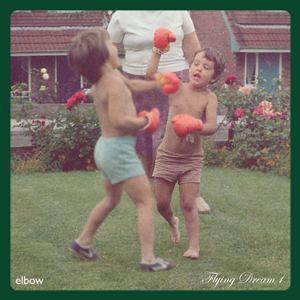
Elbow - "Flying Dream 1" (2021)


Elbow have spent the past couple of years in lockdown quite reflectively, reissuing vinyls of all their previous albums, adding previously unavailable live albums onto streaming, and releasing a 20th anniversary edition of their debut, Asleep In The Back, complete with their earliest EPs and B-sides as bonus tracks. This mentality has clearly rolled over into this new record, with tracks like the title track and The Seldom Seen Kid referencing previous songs and albums in the bands catalogue. Written in lockdown, and then recorded in the Theatre Royal in Brighton before it reopened, the record sounds both live and warm; yet airy and quiet - like Guy Garvey and co are playing to an empty audience. Which is kind of what they are doing.

Written without the usual idea of an album cycle consisting of radio-ready singles and performing live on tour; the band has gone further down the subtle and gentle route they have been starting to head towards with their past couple of albums. This is the biggest departure from the anthems of The Seldom Seen Kid and Build A Rocket Boys era of the band. There's not a single soaring anthem for TV montages or crunchy, bluesy guitar riff on here. All 10 tracks are slow, patient ballads with beautiful instrumentation reflecting on good times gone by and the small joyous things in life that we all had to focus on to get by during much of 2020 and 2021.

In typical fair for Elbow, the songs here are quality. This is a band that just doesn't release bad songs, even 9 albums in. However, I will say this is perhaps the Elbow album I've connected with the least on release. I think its more due to where I am in my life currently, 2021 has been a whirlwind, and songs about quiet moments with your family and memories of old friends. I feel like I would've found more connection to this record if it actually came out in lockdown; rather than the frenzied rush of life afterwards. Like I said, though, it is still a quality record with some really enjoyable songs on it.

The two singles are particular highlights, being truly beautiful ballads that just feel so pure and heartfelt. Six Words is a patient love song that slowly unravels from stripped back, plucked orchestration to a much fuller and warmer sound filled with drums and bass. The Seldom Seen Kid is an ode to Bryan Glancy, a late friend of the band, and captures the feelings of nostalgia and longing so perfectly. Garvey sings to his wife "Babe, if you met him" and it feels so bittersweet and pure against the open airy woodwind instrumentation and emotional piano solo.

The first half of the record on the whole feels quite cold, almost as you can feel the emptiness of the theatre. Flying Dream 1 and Is It a Bird feel stark and simple, barely filling the mix out with a lot of empty space. They have some beautiful lyrics and melodies, but they don't flaunt them. After the Eclipse sits in-between them and is certainly a much warmer sounding song. It is dreamy and woozy, with very Pink Floyd-esque guitar lines and vocal melodies. It sounds just like a hazy summer sunset, but is still very reserved and timid. Calm and Happy rounds out the first half with perhaps the calmest and simplest song yet. Here you can really feel the emptiness of the theatre; with the revering twangs of the guitar of the walls. All of these songs are really well written, but their placement makes the record feel like it takes a while to get going. The only song that feels like it fully unravels and lets itself go in the first half is Six Words.

The second half kicks off with the much more melancholic and powerful Come On, Blue. It's still a slow tune, but the waves of hazy synths and Guy's much more prominent vocals make it feel so much more present than a lot of the first half. The Only Road is much more up-tempo and upbeat. The plodding drums and simple strummed guitar fit perfectly to the lyrics about Guy Garvey going on a road trip with his wife and child. It might be the cutest and most wholesome song the band has ever made, and they have always been ones for soppy sentimentality. Red Sky Radio (Baby Baby Baby) is this half spoken word, half sung song with some beautiful elements to it. The lyrics are great, and the instrumentation is the most powerful on the record up to that point. But it doesn't quite come together, I think due to the songs deliberately off-balance nature. Like it is a really beautiful song at its core, but trying desperately to be rough around the edges and unkempt. The closer is the closest we get to a traditional Elbow anthemic single, being a euphoric blue-eyed soul song dedicated to his young son, aptly titled What Am I Without you. The electric organ and bouncy 60s doo-wap rhythm give it a really timeless nature and is such a hopeful way to end quite a quiet and reflective release from the band.

Elbow are my favourite band, and their records always end up being the soundtrack to my life at various stages; so while I'm not quite in love with Flying Dream 1 right now, I know there will be a day when I will be head over heals for this record. As it stands right now, Elbow's song writing and musicianship is as still as on point as it always has been, and reflects a level of stability and content that I'm sure I would connect with I wasn't in such a hectic stage in my life.

Top Tracks: After The Eclipse, Is It A Bird, Six Words, Come On, Blue, The Only Road, The Seldom Seen Kid, What Am I Without You

7/10

Friday, 10 September 2021

black midi - "Cavalcade" (2021)


black midi burst onto the scene in 2019 with Schlagenheim, a mesmerising collision of post-punk, noise rock and experimental rock that was attention grabbing if a little too over the top and headache inducing. They have returned with their sophomore record, Cavalcade, which while retaining the core of the band's identity also takes some drastic sonic changes which I personally think have really paid off.

Gone are most of the harshest post-hardcore and noise rock tendancies, instead the band opt to incorporate orchestral and jazz instrumentation to fill out the cacophonous walls of sound that is characteristic of their style. What results is a record that can be equally as loud as Schlagenheim, but nowhere near as draining due to the sheer colour and verity of not just tracks, but individual sections of tracks also. The dynamics of these songs also feel far more loose and natural than on the debut, swelling into climaxes and ebbing back into spaces to catch your breath, as opposed to the whiplash nature of the first record.

Furthermore, Cavalcade feels like a tighter, more structured album. The sequencing gives each of the 8 tracks a sense of place and purpose. The first half matches the louder, more intense moments with ones that let you catch your breath; and the second half progresses from the gentle and serene post-rock of Diamond Stuff, through the progressively louder Dethroned into Hogwash and Balderdash which is as loud and colourful as the first few tracks. All of this leads into the final track, Ascending Forth, which is a grand theatrical finish for the record. It has a more intentional structure and flow the Schlagenheim which only adds to it's listenability.

The record opens with John L, which is probably the most brash and in your face song on the record. It feels very much like a mission statement, as if black midi are announcing their new sound. It comes crashing in with a complex, jarring rhythm and syncopated strings that produce so much tension. It then judders and rolls into the first section of vocals on the record; which Geordie Greep has taken a different approach than on the first album. While still bizarre and detached, they're not quite as intensely insane as the first record, which I think I prefer. He sounds more like some kind of profit of the apocalypse rather than a madman on here. The track then switches between this initial rhythmic section and a couple of quieter jazz and post-rock inspired sections that constantly mixes things up. The following track, Marlene Dietrich, couldn't be further from this. It's a loose and classical inspired art rock tune that's fairly straightforward in the grand scheme of the album.

Chondromalacia Patella is returns to the complex grooves of John L, but instead of throwing it all in our faces at once, it slowly builds and builds to a complete cacophony of sound and noise that somewhat comically ends in the sound of a whistling bomb. The slow linear build of the song allows for time to appreciate all of its elements and makes it probably my favourite of the entire record. Slow doubles down on the hypnotic grooves and jazzier elements, being subtler and more reserved than the tracks that come before it while still being quite frantic and manic.

The multi song build from Diamond Stuff through Hogwash and Balderdash is really great sequencing in my opinion that reinforces each of the tracks qualities. Diamond Stuff is beautiful and meditative while still being quite eerie and off-putting, and is a perfect moment to reset in the middle of the album after the manic first half. It slowly gains more traction as it progresses, blossoming into this really ethereal groove that sounds like some sort of awakening for the character of the track. This is quickly shifted up a gear by Dethroned, the most straightfoward post-punk the record gets. It grows noisier and messier as it goes and is the closest thing to Schlagenheim on the album. It works as a breath of fresh air from the more technical, proggier stuff that makes up everything else here. The chaotic and complex rhythms return with Hogwash and Balderdash, looping it back round to the start of the record before the big finale. 

Ascending Forth works as a big theatrical closer, but I haven't really been able to connect with it. I think it's due to the track coming across like a bit of an in joke within the scene, much like some of the moments on the Black Country, New Road record I reviewed earlier this year. Greep repeatedly sings "everybody loves ascending fourths", taking the piss out of the common music trope while also conveying the idea of some sort of heavenly ascension with the synonym in the title. Unfortunately it doesn't really land for me.

Aside from a couple of moments, this record builds on Schlagenheim in every way. It's better constructed, impressively technical and feels like it has more heart to it, being less reliant on attention grabbing gimmicks. The collision of Jazz and Classical with post-punk and progressive rock is really impressive. However I do feel that black midi are still a band that I admire rather than love, and for a lot of people I know the lack of any relatability will be a huge turn off. But for anyone already onboard, Cavalcade shows the band growing into something really quite special.

Top Tracks: John L, Chondromalacia Patella, Slow, Diamond Stuff, Dethroned, Hogwash and Balderdash

8/10

Friday, 30 July 2021

Black Country, New Road - "For the first time" (2021)


Hailing from the same scene that launched black midi into the music-nerd sphere, Black Country, New Road have been gaining a lot of hype for their debut record For the first time. I put it on for the first time a few weeks ago and I am totally on board with the praise the album has been getting. Much like black midi, the group is broadly categorised as experimental post-punk but that label doesn't really express the shear amount of genres the band seamlessly encompasses into each of the 6 tracks here. Elements of post-rock and progressive rock are effortlessly woven with jazz and jazz-rock, and the group even heavily incorporates klezmer (a type of Eastern European Jewish folk music) into the first and last tracks. It is so dense with each new moment brimming with new ideas and approaches.

At 40 minutes and only 6 tracks, each track is long and given time and space to grow and permutate into completely different forms. Everything also sounds so clear, it's not experimental in it's production techniques, allowing for the tightness of the compositions and performances to really shine. The record feels very segmented, with each song feeling very separate and compartmentalised from each other; but because the band commits to this it works. It feels like a series of 6 vignettes than one feature film. However, they all follow similar themes and concepts with frontman Isaac Wood's eclectic lyrics detailing stories about characters that are seemingly experiencing complete mental dysfunction and breakdowns. These first person perspective tracks go into such excruciating detail about minute and mundane things that it almost comes across as comic at some points. And I believe that it's intentional, these characters are losing their minds, it is supposed to sound hysterical.

The record opens with the introductory Instrumental. This track starts with a simple math rock groove before being quickly smothered by the Klezmer instrumentation of woodwind and trumpets. The track builds and builds to this super kinetic climax and breakdown. The descending melodies just make you want to move and gets the adrenaline pumping hard. Athens, France couldn't be more different. Starting of as a post-punk song, the track then shifts to film noir reminiscent jazz with a recurring James Bond-esque swell, before settling out into a serene chiming guitar led outro. It's dynamic but also quite gentle, which is in contrast Isaac's disturbed lyrics which seem to reference the demise of the group's predecessor, Nervous Condition, which disbanded due to sexual harassment claims against that group's lead singer. It comes across as almost a severe sense of shame that the band has inherited NC's members (bar the vocalist), musical style and potentially legacy. It's a complex emotion and masked under layers of subversion and diverting lines referencing speakers and Phoebe Bridgers.

The next two tracks are the most deranged on the record and the most reminiscent of their scene contemporaries, black midi. Science Fair unravels as this song that is about the protagonist's obsession with a woman that he meets in multiple situations, the titular science fair and then the Cirque du Soleil, or at least he thinks he meets her, he's that obsessed. It implies that maybe he's attacked her (or who he thinks is her) by the end of the song and runs off into the distance, but the details are murky and vague like some sort of fever dream. Musically, this is paired with a noisy and discordant combination of distorted guitars and wild horns and sax. Sunglasses, similarly tells the story of a 20-something that feels so lost and worthless that he's verging on a breakdown. Until he puts on a pair of sunglasses, in an effort to hide his vulnerability from the world. However this clearly isn't working as Isaac screams "I'm more than adequate, leave your Sertraline in the cabinet", as if he's trying to convince himself that he's okay and doesn't need the antidepressants that have been proscribed to him.

The only drawbacks the album has is that is so lyrically intense and somewhat pretentious that not every moment or lyric lands for me. The album feels like it's stuffed full of in-jokes and winks and nods to people involved with the scene, and when the band tries to go for something more relatable and straight up on Track X, it doesn't come across like they really are. The track just feels like it has dialled back on the eccentricity and insanity. However the record does end on a strong point, bringing back the Klezmer and combining it more with post-punk and experimental rock instrumentation and structures.

For the first time is certainly not a record for everyone, it's obnoxious and fairly pretentious, but it is so well composed and performed with really unique song structures and topics that never gets old. It has so many twists and turns and is nothing but exhilarating.

Top Tracks: Instrumental, Athens, France, Science Fair, Sunglasses, Opus

8/10

Friday, 27 November 2020

Pink Floyd - "Wish You Were Here" (1975)


My only real gripe with Pink Floyd's The Dark Side Of The Moon (well not really a gripe, more of a personal preference) was it's generally more separated and impersonal approach to the lyrics and themes. This is one of the biggest draws of it's follow-up, that it is famously very personal and emotional (at least in part). A big part of the record is essentially an incredibly potent and emotional ode to former frontman Syd Barret and his mental decline following his overuse of LSD. Syd even made and unannounced visit the band while they were recording the album, which was the first time the band had seen him in years, and the last they would see him again. The band played him a mix of Shine On You Crazy Diamond, and he was unable to make the connection between the song and himself. It's such a heart-breaking story and only adds to the potency of the recording and atmosphere of the record.

Shine On is a 25 minute, 9 part journey which is split into 2 tracks which bookend the album. It slowly builds up in atmosphere through part one until it releases the first instance of the iconic, harrowing 4 note guitar motif (dubbed Syd's theme). It is something so simple, yet so unbelievably stark and isolating. The song becomes warmer, and more of celebration of Syd from part 3 onwards; with lusher, more rich instrumentation and many, many solos. Aside from part 2 - parts 4, 5 and 7 are the real highlights of this opus. The title track also deals in the same themes of nostalgia and loss, and once again is clearly is about and directed to Syd. The track is most likely the band's most popular, and it's not hard to see why. It's so straightforward and direct, it's not a prog song at all. The twangy acoustic guitar combine with some really affective lyrics to create something that is equally relatable, deeply moving, and anthemically sing-along. The line "Did you exchange a walk on role in the war / For a lead role in a cage?" is one that hits for me in particular.

The other two tracks, feel like more of a continuation of the socio-political themes of Dark Side, but with more of a slant towards the music industry in particular. This gives a real split in the record, half being deeply personal, half being more broader and thematic. These tracks also come across more bitter than those on Dark Side (particularly Welcome to the Machine), which creates a more sour atmosphere which doesn't mix well with the very human and sensitive feelings of the SOYCD and WYWH. It might reflect Roger Walter's increasing control over the group's direction at this point in time (especially since Welcome to the Machine sounds very much like what I have heard from the Wall - which is Walter's baby). Not that these tracks are anywhere close to bad; I do genuinely really like Have a Cigar for its bouncy groove and sneering representation of clueless record execs following the money. They just don't mesh well with the other two tracks, and they just feel a bit indulgent compared to the songs that tackled these themes in The Dark Side of the Moon.

Indulgence is really what sets this record back compared to TDSOTM in my eyes. As much as the best parts of Shine On You Crazy Diamond are phenomenal, the song is 25 minutes long and does end on it's weakest point. Part 7 leaves the song in such a weightless and ethereal place that parts 8 and 9 feel completely unnecessary. That being said, the other 20 minutes of Shine On You Crazy Diamond and Wish You Were Here are some of the most beautifully moving (and Best) music I have ever heard.

Top Tracks: Shine On You Crazy Diamond (parts 1-5), Have a Cigar, Wish You Were Here, Shine On You Crazy Diamond (parts 6-9)

8/10

Tuesday, 11 August 2020

Pink Floyd - "Dark Side of the Moon" (1973)

So last summer I started listening to Pink Floyd's discography properly, however I ended up only listening to the band's first two albums, and only ended up writing about the first. However a documentary I watched on concept records which featured The Dark Side of the Moon pretty prominently, and its (obvious) inclusion on my '100 Albums to listen to' poster has spurred me on into listening to the groups 8th studio record, regardless of my original intentions of listening along chronologically. I'm glad I did, because Dark Side is a fantastic album, and it is so obvious why it was such a game changing album when it released, and the influence it has had on some of my favourite artists and records is blatant.

Compared to the band's earlier releases, Dark Side is so much more accessible, musically and lyrically. None of the tracks here take the weird left field turns that the first few records do, and all follow the consistent theme of modern human life - from birth to death, and all the trials and tribulations people face along the way. Every track on the record transitions smoothly into the next song, aside from The Great Gig in the Sky and Money, being at the end of side 1 and the beginning of side 2 on the original vinyl format of the record. This lends the record an incredible flow, particularly in the first half, where the entire side feels like one long, multi-part song.

Part of why the first half of the record flows so well is that it follows a clear linear narrative. The intro, Speak to Me, is essentially the moment of birth; which leads into Breathe (in the Air), with lyrics that read like a parent setting up their child for adulthood. On the Run is a tense instrumental piece which reflects the frantic nature of adult life, before Time slows the album back down with lyrics dealing with all the dull, mind-numbing tasks you have to do to exist in society as an adult that you can't run away from. The half climaxes with soul inspired The Great Gig in the Sky, which represents death and ascending to some sort of afterlife.

Breathe is the first proper song on the record, and it sounds beyond phenomenal. The woozy, psychedelic guitar tones on the track sound so dreamlike and enveloping. The same sound and atmosphere runs through Radiohead's OK Computer, and listening to Dark Side, I can see how it Directly influenced Radiohead when making that album. Time opens with a disorienting barrage of sampled clocks ticking, chiming and alarms before settling into the same hazy atmosphere as Breathe (there's even a reprise of Breathe at the end of the track). The track slowly builds towards the introduction of vocals which build up the momentum in the song. David Gilmour sings "Ticking away the moments that make up the dull day" as the opening line and it sums up the mood of the songs perfectly; the unavoidable banality that soaks up all of your time for your whole life. The Great Gig in the Sky features no lyrics, just the emotional, soulful wails from singer Clare Torry. The track feels triumphant and ethereal, which is quite a positive spin for a track literally about dying.

The second half of the record follows less of a linear narrative, with subject matters that are more broad and grand than the experiences of just one person. Money opens the side with the iconic sounds of cash registers cashing and clicking. These layer up and morph into a mechanical drum beat as Rodger Water's bluesy bass riff combines and drives the song along. It's easily the most direct song on the record, with Gilmour's vocals howling about how money and greed drives all of society's ills. The guitar solo towards the end of the song just roars and wails. Us and Them, by contrast, is so dreamlike and foggy. A jazzy saxophone and echo-y vocal effects make you feel like you're walking around in the clouds. The nearly 8 minute song is also lyrically quite foggy and more abstract. The track revolves around the ideas of conflict and division, at the scales of interpersonal relationships, society, and at the global scale of wars between nations.

The last three tracks are a lot shorter, and flow together like a medley. Any Colour You Like is another instrumental, and features the return of the woozy guitars from Breathe and Time and represents the illusion of choice in society (the title is a reference to the Ford Model T, which only came in black to aid in mass production). Brain Damage, inspired by former member Syd Barett's drug abuse and resulting mental health issues, is about how the stresses and strains of life can be too much for some people and cause them to loose their minds. The track has a different atmosphere than the rest of the album, feeling more fairytale like reflecting the separation from reality that Syd and so many others appeared to feel. Eclipse is quite an anthemic closer, with very simple lyrics repeating "All that you... see/touch/feel/ect". It brings together all of the topics of the past 9 tracks under the final statement that 'this is life'. All of the good, all of the bad; and you can't avoid any of it.

Musically, this album is phenomenal, and sounds just as enveloping and rich as any album today. It doesn't sound like it has aged one bit. However, lyrically the record goes for a generalist approach which I find slightly stops me being completely absorbed by it. None of the tracks feel particularly personal, being sung in the second person and talking about very universal experiences. Take Brain Damage for example; the track is inspired by Syd Barett's declining mental state, but it's not about it specifically, it's about losing your mind just generally. This isn't a criticism really, just more personal preference.

The Dark Side of the Moon is a fantastic album still to this day, and it is blatant how game-changing it was when it was first released. It's so much more accessible than the band's earlier work, yet remains so inventive and incredibly well written and performed. It is such a complete experience back to front, and at only 43 mins it is really replay-able for how grandiose it is.

Top Tracks: Breathe (In the Air), On the Run, Time, The Great Gig in the Sky, Money, Any Colour You Like, Brain Damage, Eclipse

9/10

Tuesday, 19 November 2019

Elbow - "Giants of All Sizes" (2019)

Elbow consistently release albums every 3 years, so I wasn't expecting to hear anything from them so soon after 2017's excellent Little Fictions. The band have sped up pace with this one, rolling out the first single and opening track, Dexter & Sinister, in August, with the album dropping last month. I'm glad I've waited to talk about it, as it feels quite different from past releases. Elbow Albums generally feel like a warm hug (except their debut), whereas this one is much colder and world-weary. If Little Fictions is about finding peace of mind in friends and family despite all of the world's troubles, Giants of All Sizes gets caught up in the ongoing chaos of Brexit, the Grenfell tragedy, and the deaths of loved ones and strangers alike.

Musically, the album also leans into Elbow's proggier side far more often than any of their preceding records. Dexter & Sinister opens the record with weird electronic glitching before moving into a chunky guitar riff for a large part of the 6 minute tune. In the middle there's a piano solo and the song finishes with an extended coda that features a very OK Computer-esque descending guitar line with angelic vocals from Jessica Hoop. Empires is built around echoy and cavernous percussion, with no real break in Guy Garvey's vocals for any sort of musical breathing room. This creates a suffocating atmosphere to the track which reflects the lyrical content, detailing Garvey's grief after his father's passing.

The Delayed 3:15 is a track about a fellow who jumped on the tracks in-front of a train Guy was on. It's a hauntingly beautiful tune, where Garvey first details how run-down and neglected this area of train and asks why he chose there as opposed to a much more beautiful portion 'just a mile down the line', then going on to discuss the 'First-class tuts' who don't seem to care about this man, only that their journey is delayed. He finishes talking about how the man didn't make the news and how he couldn't find out who he was before a slightly discordant outro of woodwind and strings, as a sort of regretful send-off to this man.

Seven Veils is equally beautiful. It has a soft and pillowy atmosphere, and features some bittersweet imagery. The song appears to be about letting go of someone, and includes such phrases as 'I let you saw me in two / because that's what illusionists do', 'There's no roses in this garden / no sun melting in the sea' and the main hook of the chorus, 'Take your seven veils and sail the seven seas'.

Doldrums provides a delirious and kind of psychedelic melody, with faded and disembodied background vocals. This really fits a song, that from what I can tell, is about Theresa May's somewhat ridiculous term as Prime Minister. 'Staring down busses protected by God' is a lyric which really amuses me, it captures the feeling of her inevitable demise. White Noise White Heat also delves into the current UK situation, specifically Guy Garvey's loss of hope and belief in himself as an actual force of good, all framed around the Grenfell Tower fire. This is also the most direct song on the record, with crunchy guitars and an anthemic chorus.

The tail end of the record does bring back some optimism, with the last two tracks having a hopeful message. On Deronda Road is an ode to Garvey's new family home in South London. The track is probably one of Elbow's most daring, built around this glitchy Radiohead-esque beat, with rough choral vocals from the band plus The Plumadores. The Closer, the aptly titled Weightless, is a light, airy tune about Garvey's newborn son. The little guitar noodles and the chiming piano riff bring the album to the real sense of optimism that Elbow are known for.

I'm glad I've let this album sink in, because I really didn't know how to feel about it when it first released. I could see the band's usual high quality, but it wasn't making me feel the way an Elbow album usually does. Now I can say that while it's not my favourite from the band, it is a distinct and memorable addition to their discography.

Top Tracks: Dexter & Sinister, Seven Veils, Empires, The Delayed 3:15, White Noise White Heat, Doldrums

8/10