Showing posts with label Electronica. Show all posts

Sunday, 26 April 2026

TV Girl - "Who Really Cares" (2016)


Continuing on with the Primavera line-up, another artist I've gone back to a few times is TV Girl. The band are fairly high up on the poster and have a couple of songs with over a billion streams on Spotify, so I'm surprised that I haven't really heard anything about them before. From their Wikipedia page, they're Californian and blew up on bandcamp, and still to this day entirely independent. Not much else on them is readily available. I've listened to a couple of their records, and this is the one that has those big streaming songs - and therefore the one I've pain the most attention to.

Who Really Cares is best described as an indie pop record that draws from a lot of 90's alternative scenes, a bit of neo-psychedelia, a bit of alt dance, a bit of trip hop and electronica. What results is a very light and summery sounding album that's very easy on the ears when I've had it on in the background while working or out on a walk in the sunshine. However, when listening to it with a bit more attention in order to talk about it here, the cracks have really started to show for me.

While the genres that TV Girl are calling back to are all ones that I'm a big fan off, they don't really do all that much with these styles other than the surface level basics, making the whole aesthetic of the album feel rather derivative and half baked. I don't think this would be quite as notable if it was a crop of really well written and engaging songs, but the tunes are really just not there. The songwriting is pretty basic and very much relying on the tropes of the genres being called back to to give them some personality that wouldn't be there otherwise. I think what has really soured my opinion of the record was paying more attention to the lyrics. They basically read as a shitty guy being bitter and jealous of an ex. There's no story or interesting angle here, and the whole thing comes off pretty immature and just rubs me wrong way.

The songs I like the most on the record are the ones that lean into the looser and dancier neo-psych and alt dance genres. Opener Taking What's Not Yours is build around a jazzy horn sample and a breakbeat loop, and features some of the better lyrics on the record about the stuff left behind at an ex partners place after a breakup, with a reference to an unread copy Gravity's Rainbow to highlight the protagonists pretentiousness. (Do The) Act Like You've Never Met Me has a textbook jangly baggy/Madchester groove that I can find myself getting into (even if it is the most by the numbers version of it possible). The layered up synths, gentle breakbeat and warbly sampled background vocals sound straight out of an Ibiza chillout room.

Who Really Cares is an album of diminishing returns. On first listen when not paying to much attention, I liked the dreamy and chilled out vibe. On the second, I noticed the stylistic derivativeness. On my most recent listens while writing this, I've grown tired of the unimaginative songwriting and the boring and kind of shitty lyrical content. Maybe TV Girls stuff will hit a little more after a few pints in the sun, but on tape it really struggles to make an impression.

Top Tracks: Taking What's Not Yours

4/10

Sunday, 8 February 2026

Oklou - "choke enough" (2025)


I'm heading to Primavera Sound in Barcelona this summer, and I thought it would be fun to go through the lineup and write about some of the artists as I give them a listen. Oklou is a French alt-pop / electro-pop artist. choke enough is her full length debut and made a lot of year end lists last year, and considering my enjoyment of the recent wave of girly synth-pop, I thought this was going to be my bag. However, it wasn't quite what I was expecting (based on my admittedly limited knowledge going in) and hasn't been something I have resonated with much at all.

Compared to the brash and personality driven pop records I've loved over the past couple of years, choke enough is more of an ambient pop and minimal electronic album. Not that that's a bad thing, but I clearly had my wires crossed when I heard 'y2k aesthetic' and expected something along the lines of a BRAT or Imaginal Disk. choke enough is nothing like these albums, the mixes are sparse and clean, and the melodies are restrained and just sort of breeze in and out of these tracks. The songs flow into each other in a way where if you're not paying much attention, you could easily miss that one has ended and a new one has started. At 13 tracks and 35 mins, the album progresses quickly, not really lingering on a single moment long enough to emphasise it.

I think that's why I'm not really clicking with the album, as it just breezes by, with the more pop-leaning tracks not really having enough personality to carry them; and the more ambient-leaning ones not really creating much of an interesting or enveloping sonic landscape. The core aesthetics of the album are fine enough, with the clean, airy synths and hazy, reverbed vocals and percussion. I can see why it got labelled with the y2k tag as it feels like a video game or sci-fi movie soundtrack from that era.

Out of the tracks here, the ones I enjoy the most are the ones that are more sparce and minimal, as they create more of a serene atmosphere that I'm liking more than the poppier, more synth driven cuts. thank you for recording makes good use of negative space to highlight the simple melody that sounds like its performed on a distorted, electronic flute or the like. obvious has subtle hints of horns that poke through the reverby synths. The title track is one of the stronger more poppy tracks, with a repeated melodic background vocals smothered in distortion and reverb. The thing is, while I like them while they're on, I'm not going to remember these tracks in the long run. I find by around the point of plague dogs in the second half, I'm pretty much done with the record's sound and style. It's pretty much played all its cards by that point, and they just don't do it for me.

I don't want to bash choke enough too much, as it's more of a case that this just wasn't for me rather than any issue with the actual quality or craftmanship here. Considering all the critical acclaim it has received, there's clearly a lot of fans out there for this. But yeah, it just doesn't do it for me.

Top Tracks: thank you for recording, obvious

5/10

Monday, 1 December 2025

Tame Impala - "Deadbeat" (2025)


Kevin Parker, the mastermind behind Tame Impala, is self-admittedly a perfectionist and as fame and critical acclaim has come his way he has taken longer and longer to craft each new record. There was five years between Currents (which took him from indie darling to one of the biggest names in music) and The Slow Rush - which was itself nearly 6 years ago now. The Slow Rush era started with a bit of a sputter, with the original lead single, Patience, scrapped from the album and second single, Borderline, entirely remixed for the album version. I personally really like that album (and actually prefer it to Currents), but on the whole it wasn't met with the same rapturous praise that previous TI albums had been up to that point. In the years since, Kevin has been extremely active as a producer and collaborator, delving further into his dance tendencies working with Dua Lipa, Gorillaz and Justice just to name a few.

So it is not a surprise that for the 5th TI album, Kevin has gone fully dance and basically made a house and techno album. Aside from the hazy, reverb-laden vocals, the psychedelic rock and pop that the project built its name on has basically all gone. The first taste of the record we got was the closing track, End Of Summer. The song didn't have anything notably awful about it, but felt really bland and lifeless for a house track. It felt throwaway and uninspired, like something Kevin was just working on something and just wanted to throw it out there, not the lead single to a new album. Considering the false start to The Slow Rush rollout, I had hoped that maybe it was just a non-album single that wasn't going to be characteristic of the whole record; but then we heard Loser, the second single, and I started to sense that we were in for a real misfire. I like the first three seconds of that song, with its warbly, psyched out, mariachi-esque riff. But it is then repeated at nauseum for nearly four minutes with some really trite lyrics about being a loser ect. Kevin has a tendency to be indulgently self deprecating (why I'm not the biggest fan of Currents despite everyone else loving it), but one of the major themes of The Slow Rush was about Kevin accepting himself for who he is and to stop comparing himself to others about where he should be in life and how people perceive him. It feels like such a regression and also really doesn't do anything with the topic. Where Lonerism really delved into Kevin's psyche as an outsider, Loser just feels like him wearing it as an aesthetic despite him being incredibly successful and adored at this point.

Things improve a bit with the third single, Dracula - mainly due to it being more melodic and having a somewhat funky and fun bass groove. It actually feels like a complete song, where End Of Summer and Loser just felt like first drafts. However, it is far from TI's best, and does get a little repetitive over a few listens with its simple melody and kind of garish Halloween theming. The only other somewhat redeeming song is the opener, My Old Ways. The intro to the song is a very stripped back vocal passage from Kevin and stark piano riff, which is then met by a bouncy, danceable house groove that comes in at the midpoint. It hasn't got anything on any track from TI's back catalogue, but stands out by a country mile when compared to the dross on the rest of the album.

Deadbeat's biggest crime is that for a dance album, it is just so boring. It's instrumentally lifeless, and so poe-faced and self-serious. Outside of Dracula, it has no sense of fun. It's 55 minutes of Kevin moping about, complaining about 'how much of a loser he is' over washed out, greyscale beats with no sense of melody or groove. No Reply sees Kevin complaining about a mismatched relationship where he comes across as the loser in the situation. The lyric "You're a cinephile, I watch Family Guy" has already been memed on the internet for how dreadful it is. Everything about the song is so tiring, from the repetitive beat to Kevin's monotonous drawl. Oblivion sounds like a smooshy, reverbed to hell version of the Minecraft soundtrack with a beat under it; and Piece Of Heaven is the same but for Enya's Sail Away. The first half of Not My World is pretty boring, but then does layer up into more enjoyable dance groove towards the back end of the song.

While the album is initially bland and lifeless, but generally tolerable; it's at Ethereal Connection that it really starts to wear on me. The track is a needlessly long and uneventful techno tune with not a single moment of interest within its runtime. It kills what little engagement I have with the record and makes me want to turn it off before the last few tracks roll past and fail to hook me back in. Even the good TI albums can be criticised for being a bit too long, and Deadbeat really doesn't justify its length.

Everything about Deadbeat, from its name to its boring music and defeatist lyrical content make it feel almost like self sabotage. Part of me wonders if Kevin has subconsciously deliberately released a half-arsed stinker of an album to try and relieve himself of the pressure of expectations that his legacy has created. The drop in quality is just that significant and that weird. Kevin knows how to make a dance song, just listen back to Let It Happen, or Breath Deeper, or Neverender with Justice. I'm glad I'm done with this review, so I don't ever need to listen to Deadbeat again.

Top Tracks: My Old Ways

3/10

Thursday, 8 May 2025

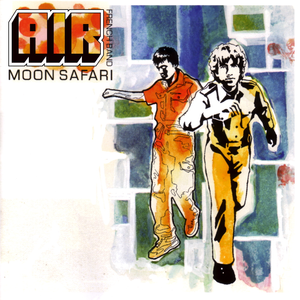
Air - "Moon Safari" (1998)


What is this? An older record on the blog? This hasn't happened in like 4 years! I am going to see Massive Attack in a few weeks and I have been listening through the supports, one of which is Air, a French electronic act who debuted in the late 90s with this record, Moon Safari. Apparently the band is fairly acclaimed within the scene, and so I'm surprised this is my first time coming across them. Maybe it's just the Anglospheric bias of British music tastemakers and historians.

On listening to Moon Safari, I feel like it is representative of the watershed moment in the late 90s where the very localised Bristol-based trip hop scene was adopted into the more mainstream friendly, broader downtempo genre. A lot of the grimier, more dangerous soundscapes that characterised the work of Massive Attack, Portishead and UNKLE were toned back and replaced with looser, jazzier samples that fitted better to the Ibiza clubs that were playing this music in their chill-out rooms. However Moon Safari maintains a weirder edge that lost just a year later with the likes of Moby and Groove Armada releasing their very successful and very palatable downtempo tunes (Porcelain and At the River respectively).

Similarly, as you would expect from a French act, there is certainly a French pop flair to Moon Safari compared to their English contemporaries. It is a very gentle, smooth and sensual record; completely eschewing the more neurotic song topics and musical elements that the trip hop scene was known for. Not a single drug reference or scratchy drum breakbeat in sight. Instead elegant strings and smooth saxophones occupy the mix. The opening cut, Le femme d'argent, swoons in with a gentle conga rhythm, a smooth, funky bassline and and a jazzy keyboard riff. There's no vocals, no real melody, just loose noodling set against the tight rhythm section. A simple string backing and bubbling effects get introduced as the song progresses, giving a little more depth and progression to the mix. Its a very suave and sophisticated sounding tune. Sexy Boy on the other hand is much more passionate and sensual. The whining guitars and intimate female vocals give off a much more urgent and seductive vibe.

All I Need featuring Beth Hirsh definitely feels the closest to British trip hop with its very stripped back production and moody, yearning vocal performance that with a passing listen you could easily mistake for Portishead's Beth Gibbons or Elizabeth Fraser who featured on many a trip hop tune. You Make It Easy also features Hirsh on vocals, which sounds very Portishead if I say so myself. It's a good tune and a highlight of the second half. Talisman is a low key, bluesy number which again feels quite moody. The strings start to ramp up towards the end of the song which adds some tension and drama to the track. Ce matin-là on the other hand, is the most chilled out song on the planet with its strummed acoustic guitar and gentle trumpet motif. It sounds like an M&S summer food advert.

Not everything is a winner though. Kelly Watch the Stars is a bit of a departure for the record, with it's squelchy synths and robotic vocals sounding more Daft Punk than downtempo. It's not bad but it doesn't really retain the relaxed and elegant vibe of the tracks that proceed it. Similarly, the robotic vocals on Remember are more distracting than they add to the atmosphere of the song. On the whole, the back half of the album feels quite safe and unchallenging. It does start to sit in the background, which I get is the point; but when I give it my entire focus I'm left wishing the songs just went a little further and made more of an impact.

On the whole, Moon Safari is a good album and I can see the acclaim it received mostly off the back of the first three tracks. It certainly highlights the difference between the influence and 'importance' of a record, and the overall impressiveness of a record from front to back. Well worth checking out if you like chill electronic music, but don't expect it to be a profound boundary pushing experience.

Top Tracks: Le femme d'argent, Sexy Boy, All I Need, You Make it Easy, Ce matin-là

7/10

Tuesday, 1 April 2025

Fat Dog - "WOOF." (2024)


Fat Dog were first brought to my attention last summer when they were added to the lineup of a festival I was attending and featured on Fantano's weekly singles roundup within the same week. I decided to check out those singles, was thoroughly impressed and made a mental note to try and catch their set. The two songs they had released thus far were this insane collision of dance punk, traditional gypsy folk music and EBM with absolutely ridiculous, absurdist lyrics about having a fever dream where the protagonist becomes the king of slugs and the like. While I really liked what I heard, what truly cemented Fat Dog in my mind was catching their set and witnessing the raw, unrestrained energy that these songs have live.

The aforementioned King of the Slugs is this 7 minute surrealist journey into the mind of someone who is really loosing the plot. The thumping two step bass cranks up the tension during the opening verses which is all released in a manic chorus where vocalist Joe Love yells at the top of his voice "I'm the king of the slugs, bitch!" This the proceeds into a slow and drawn out instrumental section that slowly morphs into a bouncy polka bridge that builds and builds until the song just smacks you with one of the hardest breakdowns I have heard in years. Wither, similarly, hits you in the face with an incessant two step groove that never lets up as Love caterwauls "You better wither baby, before you die" over and over. Other album highlights include the other two singles, All the Same and Running. All the Same has a super heavy, almost dubstep-y groove and Running being one of the most intense moments on the record. Love play's the character of an exposed cult leader running away from those trying to seek justice. Flurries of stabbing synths compliment Love's increasingly deranged vocals. I managed to see the band a few weeks ago and Running closed out the set, and felt like the climax to the whole show.

While the highlights are frankly brilliant, WOOF. as a whole is quite a short album, and the over the top, tongue-in-cheek nihilism doesn't translate as well to some of the more restrained cuts on the record. Clowns and I am the King feel more like in jokes that aren't actually that clever compared to the sheer ridiculousness of the singles. That, combined with the fact that the first and last tracks function more as just intro and outro tracks for the album rather than fully fledged songs, leaves the record feeling rather lacking in substance when it comes to the lyrics and themes. But then again, its quite obvious that the point of the album is just to be a vehicle to perform these songs live, so I can hardly critique it too much for not having much to dig into on re-listen. 

The best bits of WOOF. are some of the most exciting music I heard in all of 2024, however as a whole album it feels a little underdeveloped and scant on deeper ideas. It is also short enough that it really doesn't outstay its welcome either. And as a live band, Fat Dog are absolutely brilliant and I would recommend anyone who likes a moshy gig to go see them.

Top Tracks: Wither, King of the Slugs, All the Same, Running

7/10

Sunday, 23 June 2024

Everything Everything - "Mountainhead" (2024)


EE's last record, 2022's Raw Data Feel, never really clicked with me despite generally being critically acclaimed and viewed as something fresh and new for the band by many. It stripped away a lot of organic grooves and progressive, linear song structures that characterised a lot of the bands older work, and replaced them with a much more rigid synth pop aesthetic and a smattering of glitch pop and alt dance stylings that felt more gimmicky than genuinely inventive. Similarly the core lyrical concept of the record focusing around AI generated lyrics and the messy, half formed narrative also came across rather gimmicky and almost a self-parody of the band's usual eccentric 'logical extremes' writing style. 

Thankfully, Mountainhead is a return to form for the band, returning to a lot of the kinetic grooves and colourful sound pallets (with that menacing and uneasy undertone) that put the band on the map. I'd say its the closest sounding thing the band has made to their magnum opus, Get To Heaven, in the years since. The record, much like RDF, has a core concept and a semi-linear narrative; however it is much more clearly defined and thoroughly explored. The lead single, Cold Reactor, is essentially the blurb for the world the band has created on Mountainhead and captures the mood and tone of the record effortlessly. Mountainhead is a world where people try and climb the titular mountain by digging deep into the earth for materials to ascend, growing the mountain ever larger and the pit ever deeper. At the top sits only a mirror for those who mange to climb to the top, and at the bottom of the pit roams a giant golden serpent ready to consume those who fall too far in. Quite an obvious allegory for the modern capitalist world, but one that allows for some pretty evocative imagery and for the band's eccentricities to really flourish. Cold Reactor as a song is quite a straightforward driving new wave tune, but probably the bands best crack at that style, with dense lyrics that evoke strong feelings of loneliness and a desire for connection. 

Wild Guess opens up the record in quite a ballsy way, with a minute and a half driving, fuzzed out guitar solo, before Jonathon Higg's vocals come swooning in like some deranged salesman, with rhetorical questions and telling us "this will be the most important thing you'll ever buy from us". It's not clearly painted out for us, but my interpretation of the song is that it is from the perspective of one of the 'Hellcat priests' within the lore of the album, a religious organisation who's end goal is to grow the mountain and keep believing in the cycle and that one day they will make it to the top themselves.
The second single, The Mad Stone, is more obviously from this perspective, and is sonically probably the most out there on the record. The track bounces between these weird 'plink plonky' verses and these massive multi-tracked choruses, it sounds like some deranged cult chant.

The rest of the first half is really consistent as well. The End of the Contender is quite a stark pop song that really focuses on the lyrics inspired by an incident where some armature boxer from the 70's got in a road rage incident and was acting as if he was some sort of celebrity, even though the other person had no idea who they were. The pulsating bass heavy groove and hazy guitars of Buddy, Come Over is very reminiscent of A Fever Dream, and the ear-catching lyric of "Elvis sitting dead on the toilet" really draws you into the moody and sinister atmosphere of the song. The snappy dance beat R U Happy? reminds me of what the band were trying to go for RDF, however feels much more natural and less gimmicky here, without the entire kitchen sink thrown in. TV Dog rounds out the first half with a simple string laden cut that we haven't really seen from the band since Arc. The weird reversed backing vocals sound really sinister and ominous.

While the first half is probably the most consistent 30 mins of music the group has made since Get To Heaven, the band settles into more predictable pop song writing into the second half, which makes the record feel a little lopsided overall. The skittering percussion and deep bass of Canary are juxtaposed against the delicate vocals and woozy lead guitar, which really sells the 'canary in the coal mine' themes of the song. Don't Ask Me To Beg features some really prominent vocal melodies set against a meaty alt dance groove. Dagger's Edge is the closest the record comes to that pure batshit energy of the likes of Blast Doors or Ivory Tower, but is honestly quite reserved in comparison. The song acts as sort of the turning point of the albums themes, from the perspective of someone who has made it to the top of the mountain, but is still not content, watching over his shoulder for people in this dog-eat-dog world and realising he could fall off the 'dagger's edge' at any time. It is the moment where the social commentary on the record turns to the listener and essentially tells us that the game of life presented through the mountain is ultimately all consuming and will never leave you fulfilled.

It does make the tone of the closing two tracks rather nihilistic and gives no real satisfying conclusion the the album. They're both quiet and reflective, and on their own are decent songs, but the placement as the album's final impression is quite unsatisfying. Following the revelations of Dagger's Edge, City Song is from the perspective of someone stuck in the corporate 9-5 where no-one in their company even knows their name. It is very OK Computer, but very mid-point OK Computer, before the rejection of that way of life on the last two songs of the album (Lucky and The Tourist). Everything Everything know this too, as on Get To Heaven, the insanity of that album was rejected in the last two songs, offering an alternative - hope. I do understand the creative decision behind this, its probably more realistic to say that there is no real escape from the mountain, but its certainly not a satisfying conclusion to the record and sours the experience overall; especially as Dagger's Edge was building towards that and it feels like a bait and switch.

Mountainhead has a lot going for it, the concept and narrative are solid and inventive, it features the return of the band's more progressive and challenging song writing. I just wish it went a little further, as the second half is nowhere near as ambitious as the first, and ended in a more satisfying way. But as it stands, it is a return to form that is certainly better than the band's last couple of records.

Top Tracks: Wild Guess, The End of the Contender, Cold Reactor, Buddy, Come Over, Mad Stone, TV Dog, Don't Ask Me To Beg, Dagger's Edge

7/10

Wednesday, 6 July 2022

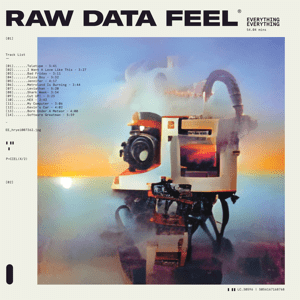
Everything Everything - "Raw Data Feel" (2022)


With touring of their last record, 2020's Re-Animator, put on hold due to the pandemic, Everything Everything went straight back into the studio to record a new project. While an enjoyable album for me, that record felt like it wasn't much of a step forward for the band compared to their previous four albums for many (a sentiment I can certainly agree with). So the band made a conscious effort to take a new direction with Raw Data Feel both lyrically and sonically. Re-Animator somewhat shifted lyrically to more human, 'emotional' topics than the band's usual socio-political critiques; however did so in quite broad strokes. Raw Data Feel doubles down in this direction, telling more personal stories around the the theme of human responses to trauma. Furthermore, Jonathon Higgs generated a portion of the lyrics using AI by feeding a bot he named Kevin 4chan threads, LinkedIn T&Cs and the whole of Beowulf.

An interesting idea for sure, however it doesn't quite come together for me. Lyrically, the album feels like a bit of a mess and the AI lyrics don't help. The band are known for their eccentric and sometimes cryptic word barrages, but this is the first time for me they seem like they might not have much meaning behind them beyond just being ridiculous for the sake of it. For example, the hook of Pizza Boy is "I'll have a Coke, I'll have a Pepsi now". It is one of the lyrics revealed to be generated from the AI, and the on the nose commentary on consumerism and choice paralysis is 1) nowhere near as deep as it thinks it is, 2) not all that catchy. I'm not going to sing along to that, it sounds stupid, not quirky and eccentric. There is a running theme of the main character wanting to offload his trauma onto a computer, and Kevin is one of several recurring characters in the record, but it isn't clear whether Kevin is the main character or the robot companion. The same goes for Jennifer and The Goatman, how these characters fit in and relate to each other is thinly sketched and unclear. It's an album that appears to have some kind of linear narrative, but when you try and look for it you can't make head or tale of it. 

Similarly, Higgs' lyrics have always had the tendency to descend into generalisations as he focuses more on the feeling created by something rather than the thing or event itself; but due to the increased intimacy of Raw Data Feel, the use of "it" and "thing" is far more common on here than any of their previous releases and so in places does feel underwritten. That being said, the record works so much better if taken on the broader strokes much like the rest of their work. Teletype and I Want A Love Like This are about trying to bury yourself in someone else to avoid your own demons, Bad Friday is about excessive partying, Shark Week is about narcissism and control as coping mechanisms, HEX delves deep into the pits of internet forums, and Jennifer is about straight up escaping a mentally damaging situation or environment.

On a musical level, the band also make a lot of changes, and as a result the album feels all over the place. The band have done away with the majority of the prog-pop and art rock elements of their sound, delving deeper into their synth pop and electronic tendencies. What results is a much more synthetic and ridged sounding album, but with much more simple poppy song progressions. The band still sound as eccentric as they always did, but it feels way more surface level with booming and blown out synths and drums, jarring dynamic changes and instrumental switch ups; rather than the complex grooves and linear builds of the band's earlier records. 

The sequencing and pacing also seems so weird. The first four tracks are the four singles, and are all glitchy alt dance tunes, but after this point the style is dropped and doesn't return again. The fifth track, Jennifer, is a driving Killer's-esque heartland rock song, however Higg's voice is far less suited for this kind of earnest delivery than the likes of Brandon Flowers. It's a shame because the song itself is one of the strongest written on the record. Leviathan is the standard Radiohead inspired slow burn that each EE album has, although it is five and a half minutes long and doesn't do anything really to justify its length. Every EE album also has one track that is the most over the top, balls to the wall song that the band can possibly come up with about 2/3 of the way through the record. Raw Data Feel has not one, but three; and they all sit one after another slap bang in the middle of the runtime. Shark Week is easily my favourite of the three, with its snappy beat and catchy vocal melodies. Cut Up! and HEX, however veer just slightly over the edge from over the top to obnoxious. Cut Up! has a really tacky instrumental that sounds like a bad imitation of Depeche Mode's Master and Servant and Higg's repetitive staccato vocals get really grating. I like the sinister lyrics and booming, bassy verses of HEX, but the chorus feels underwhelming and I can't help but feel like the band has covered the idea of internet radicalisation enough times at this point and far better in the past (e.g. Zero Pharaoh or Ivory Tower).

The record is just a little too long and bloated, and the odd blocking of similar tracks together make it feel disjointed. Metroland Is Burning and My Computer just feel unnecessary. By the time the record limps into it's final leg I struggle to care about the supposed emotional arc songs like Kevin's Car and Born Under A Meteor are supposed to provide to the narrative. The closer does pull me back in to an extent. Titled Software Greatman, it plays more into the existentialism of the idea about offloading your emotions onto a machine and the fact that you can never be truly 'over' something traumatic as it becomes a part of your identity. "I don't know how to get over this thing, 'cause it's always there" Higgs sings and it certainly hits a lot harder than the deliberately deflective lyrics earlier on in the record.

Raw Data Feel is a messy album with a half formed concept. But the fact that it is so overstuffed means with every moment it is trying something new. It's never boring, even if the ideas don't always land. EE are still a band that don't really sound like anyone else. I commend the ambition, and I certainly prefer a miss-fired experiment to something uninspired. If anything, it has given me a greater appreciation for the tight math rock grooves and explosive choruses of group's debut, which is an album that has never truly clicked for me until now.

Top Tracks: I Want A Love Like This, Shark Week, Software Greatman

6/10

Wednesday, 30 September 2020

Everything Everything - "RE-ANIMATOR" (2020)


Everything Everything have grown to be one of my favourite bands of the 2010s. Their maximalist and progressive approach to making pop and rock music has consistently produced wholly enjoyable albums, with 2015's basically flawless Get To Heaven being being the crowning jewel in their discography. The accompaniment of Jonathon Higgs' socio-political lyrics taken to their logical extremes, and super eccentric instrumentation and hooks make the band so ear grabbing to me. However, the band has taken a slight change of course with their 5th record that does make it stand out on it's own in their collection.

The band has made a deliberate attempt to shift their lyrical focus away from politics and society, towards the more abstract ideas surrounding the human condition: the development of consciousness, ideas of supernatural fear, enemies, desire, and tribalism. The opening lyric is "I did what anybody would that day, No speechless gibbon in the road, Not me" and sets up the tone of the record perfectly. To accompany the more cerebral themes, the instrumentation has been toned down. These tracks are far less over the top and manic, and feel simpler and more stark. I understand that it will be a turn off to some fans, as singing along to some batshit lyrics to a super fun poppy groove is a big part of the band's appeal; and even the singles from the record aren't particularly catchy in that way. But for me, the more minimalist approach is a nice change of pace that allows the more conceptual themes room to breathe and sink in.

The opener, Lost Powers, sounds like the grand awakening the opening lyric suggests. The simple chiming guitar and drums slowly give way to more elaborate instrumentation. It sounds like some kind of daybreak as the world slowly becomes more illuminated. Big Climb tackles the uncontrollable desire for excess that seems to drive so many people, backed by a more aggressive glitchy beat and harsher more staccato vocals from Higgs. It Was A Monstering and Moonlight are about as straight up Radiohead-worship as the band has ever been (and the last record, A Fever Dream, had some very Radiohead-y moments), and the first of those is actually a pretty good attempt. The krautrock-ian, rigid drums and dark, hollow guitar tones would fit in perfectly on Amnesiac. Higgs even does a really good Thom Yorke impersonation. The descending guitar lines and sinister hook melody are really good. I especially like the switched up bridge of the track. It's a really well constructed song, even if it's influences are obvious. Moonlight, on the other hand calls back to some of the more serene Radiohead ballads such as Nude. Its not bad, but doesn't quite come together into something particularly distinct for me.

The middle of the record is where it goes on its biggest run, starting with the single Arch Enemy. This track is about as close as the record comes to the band's big pop singles of the past, with its squelchy synth-funk groove and bizarre lyrics comparing an enemy to a fatberg that attaches itself to you. It is the wackiest and most fun song on the album. Lord of the Trapdoor focuses around the ideas of tribalism and 'otherness', built around a really simple and stripped back beat and stark, chiming guitar which just descends into a ferocious, heavily distorted guitar solo that tears up the back half of the song as the track falls into madness. The beat on the following song, Black Hyena, is this super snappy and prangy loop that sounds like something you'd find on a Massive Attack album which gives the song a unique flavour within the EE discography. The lyrics are really sinister, seemingly alluding to personality changes following perhaps brain damage, or maybe just a traumatic event in general - they're pretty abstract.

However, RE-ANIMATOR is certainly the least consistent record since the group's debut. Early on in the record, the single Planets is the first sign of trouble. The track is perfectly listenable, but feels like a one trick pony with its long, slow-burn verses that slowly build up through the chorus towards a spiralling post-chorus synth line. It's the only thing the track has up it's sleeve and it gets old fast. Towards the end of the album, the songs In Birdsong and The Actor also have some crippling flaws that ruin the entire tracks for me. In Birdsong is a linear, building ballad that sounds ethereal and profound; and the track at the core of it is fairly good. But as the track builds in intensity and volume, the entire mix becomes more and more tinny and compressed. It's obviously an intentional artistic choice, but it sounds really unbearable. Likewise, on The Actor, the group go so completely overboard on the reversed vocal effects that it's incredibly distracting and kills any enjoyment I might've got from an already not that impressive song.

The band do save the best cut on the record for last, being the blistering new wave throwback of Violent Sun. The pummelling drums, whining guitar leads, and overwhelming vocal delivery just commands you to feel something. It's really good, and really powerful with the simple message of  'it's okay to feel like you don't understand, or that the world is overwhelmingly confusing and scary'.

RE-ANIMATOR is a good album, if slightly underwhelming when compared to Arc, A Fever Dream, and especially Get To Heaven. I appreciate that the band took risks with their sound, and when the play out, they result in some really good songs. It's not going to be everyone's cup of tea, especially if you came to the band for their whacky, up-tempo singles. It's certainly an album which grew on me with time though, so don't just write it off on first listen.

Top Tracks: Lost Powers, It Was A Monstering, Arch Enemy, Lord Of The Trapdoor, Black Hyena, Violent Sun

7/10

Tuesday, 7 July 2020

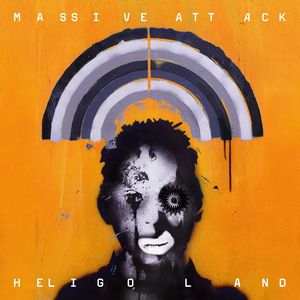
Massive Attack - "Heligoland" (2010)

7 years after their last studio album release, Massive Attack returned with their most recent LP, Heligoland (named after a German Island archipelago). The record also features the return of Grant Marshall to the group and a step away from the incredibly synthetic and electronic sounds of 100th Window, back towards the more organic soundscapes of the first three albums. It's a change I welcome, as I much prefer that side of the group's sound. However it is not just a rehash of their 90s era, with the group creating an entirely different atmosphere and soundscape. In the years since the group's peak, artists like Gorillaz and Radiohead have combined electronica with mainstream rock and pop in a more immediate way, and I can definitely here that influence within Heligoland. The synth tones are sharp and colourful, and really pop out of the mix; and the guitars have a real snarl to them in places, making this the rockiest of all the Massive Attack records. Gorillaz' Damon Albarn even features as a guest vocalist on one of the tracks.

The first half of the record gives off a very hot and desert-y atmosphere. While not sonically similar to stoner rock, it has a similar feel to it. It's tense, dirty and loud. The opening track, Pray For Rain, kicks things off with a very dry, rolling drum beat and moody piano keys as Tunde Adimpe's slow and somewhat prayer-like vocals chant about 'praying for rain'. This prayer is seemingly answered by a section with much more saturated 'plink-plonk' synths and ethereal backing vocals in the middle of the track before returning to the moodier drums and piano section to pray once more. This is followed by the glitchy and dancy Babel. The track has a real propulsion to it, and also has a real juxtaposition between Martina Topley-Bird's very smooth and gentle vocals against the harsh and industrial beat. The descending melody of the hook lodges itself into your brain.

Perhaps my favourite track on the record is Girl I love You, a massive sounding tune that leans into the bands dubby side and also a bit of dancehall. The track builds off this rumbling guitar line, with the tension rising until these fat, distorted horns blindside the song and the whole track just explodes in colour. It sounds like stumbling upon a secret carnival in the middle of the desert. Horace Andy kills in on the vocals, sounding so dramatic yet keeping his cool. Towards the end of the track the horns disintegrate into a frenzy, leaving the impression that this carnival of colour might just have been an illusion, a mirage. Following this, Martina returns for the hypnotic Psyche. The track is built off a super simple, super short acoustic guitar loop and the multi-tracked vocals add to the delirium.

However from this point onward the hot desert-y atmosphere starts to boil over into heatstroke. Everything becomes a bit dour, but not in a good way. Guy Garvey is a magnificent vocalist, but he was not the right fit for the incredibly ridged and skittery beat of Flat Of The Blade. He tries his best to sound rough and gritty, but it just doesn't work. Rush Minute is honestly pretty forgettable and Saturday Come Slow is probably the most dour the record gets. Damon Albarn's performance comes across bitter and sour, as opposed to the dreamy and wistful performances he tends to give on Gorillaz' work. I see why Paradise Circus is the most played track on Spotify, it's the only track that comes close to the elegance of the likes of Unfinished Sympathy and Teardrop. However for me, the repeated piano motif is so short and simple it starts to get a bit annoying. It becomes less of a problem towards the end of the track as the song becomes less reliant on it and some soothing strings pop into the mix, but at this point it feels a little to little, a little too late.

The record does bring back some of the intensity and colour for the closer, Atlas Air. This 8 minute tune grows out of a repeated drum loop and some spooky, psychedelic synthesisers. It's simple but groovy and enticing. The synths become darker and more distorted as the track progresses like it's swirling out of control. It's a shame the record looses all momentum before this point because it is a pretty strong closer.

Heligoland is a bit odd within Massive Attack's discography, because it's the only one that isn't consistent. It has some of the group's best songs, and also some of their weakest. However the highs of this record do make me feel like I'd throw it on more than I would 100th Window, and none of the lows are particularly bad, it's just a shame they all come in the second half. It makes the album seem quite lopsided.

Top Tracks: Pray For Rain, Babel, Girl I Love You, Psyche, Atlas Air

7/10

Monday, 1 June 2020

Massive Attack - "100th Window" (2003)

Continuing on with Massive Attack's discography into the 21st Century, 100th Window makes a unique stylistic shift for the group. The record came after a period of tension within the group, with only Robert Del Naja (aka 3D) and producer Neil Davidge working on the record, with no involvement from Andrew Vowles or Grant Marshall. As a result, the record is far less indebted to the sounds of dub, soul and hip hop than the group's previous albums, instead heading of the direction of ambient and minimal techno. The record is still just about trip hop, but as a sign of how different it is, the album contains zero samples.

What results is a an incredibly low-key album that feels very serene and measured. The tracks fade together, all occupying similar tempo, sonic pallets and tones. The Vocals in particular have much less emphasis on them. All the tracks have them, yet the only track where they really draw attention is Special Cases. Most of the time, they float about in an ethereal fashion, almost as if their purpose is to be an additional instrument rather than a lyrical focus. The tracks also feel very synthetic, with their emphasis on rigid techno beats. Take for example Butterfly Caught, a track which has these flourishes of strings as additional layering, but the core of the track (the repetitive beat and 3D's vocals) feel so mechanised and sterile. The best tracks have something to grab you're attention, for instance the aforementioned more intense vocals on Special Cases. Everywhen has a more organic feel to it; and A Prayer For England has a prominent, much more groovier bass guitar line which feels like it gives the track some more heft compared to some of the other cuts

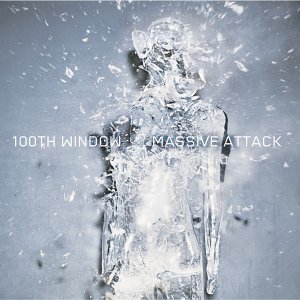
The record has been great to have in the background while working, the tracks are busy enough to not feel like droning, but ambient and minimal enough to not be distracting. But unlike the rest of the group's records, I don't really want to listen to it while not doing anything else. It feels so sterile and passive. The cover represents the album well, clean, glass-like, varying shades of grey. It's like a brand new skyscraper in a world city; impressive and elegant, yet characterless and unremarkable. I'd say only check it out if you're really into checking out the group's entire discography, although the record still maintains a decent quality and the best moments are pretty good. It just feels a bit one note and uneventful compared to the genre-sprawling of Massive Attack's 90's work.

Top Tracks: Everywhen, Special Cases, A Prayer For England

6/10

Wednesday, 8 April 2020

Glass Animals - "How To Be A Human Being" (2016)

I've been listening to Glass Animal's debut album, Zaba, for a few years now. The groups woozy psychedelic pop has a humid, tropical atmosphere which makes it perfect for hot summer evenings. With the group releasing new music, I have finally got round to checking out their follow-up, 2016's How To Be A Human Being. The core of the band's sound is still here (the glossy, multilayered production, Dave Bailey's sensual falsetto vocals), but it has been expanded upon with more ambitious elements and lyrical concepts.

Each of the tracks on How To Be A Human Being focuses on a different character, all inspired by people the group met while touring Zaba. We take a look inside the heads of these characters, with their inner monologues accentuated and absurd-ified. It reminds me of the writing style in fellow indietronica band Everything Everything's work. The lyrics here are not as socio-politically charged or as taken to the extreme as EE, but do evoke the same feelings of silly absurdity tinged by a genuine sense of believability.

The record opens on an incredibly bombastic, anthemic note with Life Itself. This track is built around groovy afrobeat rhythm, and revolves around this loser like character who's mother is disappointed in his life choices. It explodes into a massive chorus with blaring synths and distorted horns, where the character seemingly doesn't care. It creates a weird juxtaposition, as the music sounds like your supposed to root for this character, yet the lyrics clearly describe why your not supposed to. Youth carries on this anthemic atmosphere, although it isn't quite as in your face. The track is a typical coming of age story about growing up. It hits all the right notes, and the silky smooth chorus is irresistible.

Season 2 Episode 3 is more stripped back than the first two tracks. There's a rolling hi-hat beat and midi-esque, chip tune sounding synthesizers. It gives the track a retro video game feel, and even samples sounds from Super Mario Brothers. The song is about people who lounge around all day binge watching TV, and the music really fits the vibe. It's all very chilled. The  majority of Mama's Gun is a tense build up with a jangly piano motif and wondrous sounding woodwind. Eventually some choral backing vocals come in just before the track gently crescendos. All that tension feels like it needs a bigger payoff, which keeps the eery vibe of the song intact right towards the end. 

While the album doesn't quite get as festival ready as the opening tracks, it still has some massive sounding songs. Pork Soda has the excellent hook of "Pineapples are in my head, I've got nobody cause I'm braindead" and the track just builds up the layers more and more until track feels like it genuinely could not sound any more full. Take A Slice has a really fuzzed out, bluesy guitar and a woozey, sensual vocal melody. It sounds like modern Tame Impala and Like Clockwork... era Queens Of The Stone Age smashed together, and is absolutely mental and surprisingly works. Blaring horns and staccato piano come in when the chorus hits, all accumulating in the guitar solo outro that is just so much noise but brilliant.

The album sags just a little in the middle. Cane Shuga is perfectly fine but doesn't really do much for me, and [Premade Sandwiches] is one of many tracks that try to be Fitter Happier. It's still one of the better imitators, but I don't really know why artists try to go for that idea - because no one ever seems to match Fitter Happier's balance between irony and paranoia. The Other Side Of Paradise's chorus features this very 2010s, post-dubstep, bass drop. It is pretty tastefully done here, but it does make the track already seem a bit dated - and is the only point where the album seems to be chasing the trends of the time.

These weaker moments are still well done, their ideas don't quite connect with me like the rest of the track list. So despite the ambition here, I'd say I like it about the same as Zaba. Both are great albums, with different qualities. Zaba goes for a more consistent tone and vibe; whereas HTBAHB is more ambitious and higher highs, but has a few moments that don't hit like the rest of the record. I'm really quite interested in what the group do for album 3 now, although the singles released so far haven't really landed with me the way these two records have.

Top Tracks: Life Itself, Youth, Season 2 Episode 3, Pork Soda, Take A Slice

8/10

Monday, 30 March 2020

Massive Attack - "Protection" (1994)

Massive Attack's sophomore album, Protection, for me really sits between Blue Lines and Mezzanine, in both its sound and how I feel about the record. The groups style has evolved from the more embryonic version of trip hop present on Blue lines; with the dub, soul and hip hop influences more seamlessly merged together into something darker and more brooding. Yet the album doesn't possess the alien and suffocating atmosphere that runs through much of Mezzanine, and made it so utterly captivating. It's still a really great listen though.

The record opens up on its best, the absolutely fantastic title track. Tracey Thorn's soothing vocals glide over a reverb heavy drum loop and an emotional synth chord pattern. Other elements come and go in the mix, building up to a swell during the chorus. The nearly 8 minute track gives so much time to be absorbed by its atmosphere and heartfelt lyrics about caring about someone and wanting to protect them. Karmacoma follows, contrasting the serenity of Protection with a dubby, tropical atmosphere. It has this cavernous, repetitive sounding percussion and weirdly distorted synths that crop up during the chorus. Thorn also provides vocals for the track Better Things, a minimal and laid-back tune. A simple guitar loop provides the backbone for the song, with the occasional swell of synths or guitar as flourishes. It is all about vocals here. Tracey croons over the mix about not overthinking life and provides the mantra of "Here me say, better things will surely come my way" as the hook.

The tracks Three and Sly feature Nicolette Suwoton on vocals, and both have a mysterious, Middle Eastern vibe to them. Sly in particular is accentuated by lavish strings, making the track sound effortlessly cool, like it should accompany a globe trotting film where the protagonist has found some mysterious hidden city in the desert. Three has more of a synthetic feel to the instrumentation, with a rigid electronic beat and a looping sample of someone saying "Three", repeated into a chant that fades in and out. It certainly makes the track feel less cinematic, but no less mysterious. Euro Child also has a very synthetic atmosphere to it, with the group gently rapping over the grimy beat. There's some melody in this track that sounds almost like vocals, but they are processed to the point that its hard to tell. These are juxtaposed a lounge-esque keyboard line, which gives a very weird off-kilter quality to the song; as if its trying to lure you in despite its harsh and rigid atmosphere.

The penultimate track, Heat Miser, is much closer to the tense claustrophobia of Mezzanine. Ventilated breathing appears at the back of the mix alongside a rigid beat. A dramatic string part accentuates the main piano melody of the song, which itself is intense and spooky. The actual closer is a live, dub cover of The Doors' Light My Fire. It's a great cover, but does feel like a bonus track (even though it's part of the regular track listing), since it is far more lighthearted and fun than the rest of the album.

While I feel like my perception of this album is slightly affected by experiencing Mezzanine first (as everything the group do here is done even better on the next record), it is still a really well executed record. The sounds of this record ebb and flow, and take you on a moody and atmospheric unwind. It also strikes me as an interesting listen from the perspective of the band's sonic development over their first three records. There is a clear progression between each album, yet the development is very linear - there's no real detours into completely different genres along the way. And the title track is so good it makes a listen worth it just for that.

Top Tracks: Protection, Karmacoma, Better Things, Euro Child, Sly, Heat Miser

8/10

Thursday, 20 February 2020

Massive Attack - "Blue Lines" (1991)

Continuing on with my '100 albums you need to listen to' poster, and also Massive Attack's discography, I have jumped from Mezzanine to the band's debut, Blue Lines. This record is generally considered the origin point for trip hop, and so a more embryonic form of the genre is on show here. The genre's hip hop and dub elements are more clearly on show here than in later records, and the fusion between them is more fractious. Some tracks have a much stronger hip hop vibe, and some lean into soul, dance and dub, but these influences aren't as combined as they would later become in the genre.

Safe From Harm opens up the record with this rolling bass line and drum rhythm, with Shara Nelson's soulful vocals contrasting against the chunky synth lines and rhythms. It's very much a blueprint for the 'Massive Attack sound' going forward. One love follows a reggae beat with Horace Hinds' crooning on top, yet the tune is more chilled and stripped back than full on dub. Five Man Army is much heavier, with dubby bass and psychedelic effects floating around all over the mix. Horace's and Tricky's vocals play off each other, rapping in different registers in a call and response style. The title track is near enough a jazz rap song, where the group raps in a very 90s style over a funky beat and soothing lounge-esque keys. Be Thankful For What You Got and the single that put the band on the map, Unfinished Sympathy, are much more soulful. Unfinished Sympathy is particularly intense with swelling strings sitting on top a relentless percussion loop and sampled ad-libs from Mahavishnu Orchestra's Planetary Citizen. Shara Nelson returns for a emotional gut-punch of a performance, singing the hook "Really hurt me baby" with so much passion and intensity.

Daydreaming has a dreamy chord progression and eerie background vocals from Nelson. The group's rapping also is very dream-like on this track, floating from one topic to another, and features references to The Beatles and other famous songs. Lately has a slight R&B vibe to Nelson's vocals and melody, but the chunky beat and squelchy bass steer the song in a more spacious direction. The album closes with Hymn Of the Big Wheel, which sounds like synth-pop meets reggae. It's quite a triumphant way to end the record, with lyrics dealing with the idea that the world keeps turning, despite anyone's troubles - so you should try to enjoy yourself as much as you can despite whatever is going on. 

While Blue Lines is not as complex or intensely enveloping as Mezzanine, the more chilled out and straightforward approach make it an easier listen to throw on in more situations. I don't feel I have to give it all my attention to maximise my enjoyment. It's also engaging to see the starting point of the genre, where its influences are more clearly on show.

Top Tracks: Blue Lines, Be Thankful For What You Got, Five Man Army, Unfinished Sympathy, Daydreaming

8/10

Tuesday, 31 December 2019

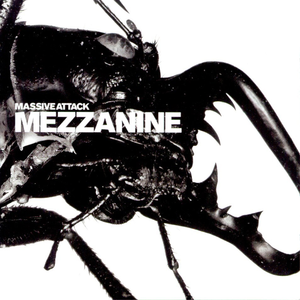
Massive Attack - "Mezzanine" (1998)

I have known and loved Massive Attack's most famous song, Teardrop, for years, but would have been stumped to identify any other songs from the trip hop pioneers. As I've been delving into more of the genre this year (trip hop playlists make for good background music to work too), I took the time to listen to its parent album, Mezzanine. This hour long collection of spacious and subtle electronic mood-pieces ebb and flow from tense and claustrophobic, to relaxed and laid-back. I wouldn't say it is as much a chill-out album as other trip hop releases, but it certainly has a real late-night vibe to it.

The album opens with Angel, a track I would have previously recognised from edgy perfume adverts on at Christmas. It opens with a rumbling bass-line and rattling hi-hats. Ominous sound effects and some enchanting vocals join the mix, ramping up the tension as the bass becomes more prominent. All this tension is released as a whining guitar floods in with the vocals repeating "Love you, love you, love you...". The next track, Risingson, is far less cathartic, sounding very industrial and alien. The vocals on this track just have this creepy non-emotional quality to them, which combined with the mechanical beats of the track make it feel so off-kilter and alien.

Teardrop follows this, and couldn't be further from the inhumanity of Risingson. The song features real gut-punching chord progressions as Cocteau Twins' Elizabeth Fraser soars above them with some beautiful vocals. She was inspired to write the lyrics after the death of her friend (and excellent musician and songwriter) Jeff Buckley, and you can really feel the grief and pain in her voice. Once again, this emotion is punctuated by the return of the more intense and industrial Inertia Creeps. This song isn't as alien as Risingson, with a thunderous drum beat and mantra like hook of "Moving up slowly, inertia creeps". The guitars which come in at various points of the song and the beat inspired by Turkish Tsifteteli rhythms give the track a dirty and dangerous atmosphere. Exchange gives the first real breather in the album, a purely instrumental cut which is straight out of some beach-side bar on some Mediterranean coast. It is such a chilled song, with a bouncy bass and some gliding keyboard notes on top.

The tracks on the second half of the record aren't quite as contrasting or stand out from each-other quite as much as they do in the first half, but seep into each other to build a real moody atmosphere. Dissolved Girl's sensual but sarcastic vocals from Sarah Jay Hawley and wild guitar which breaks out midway through give it a Garbage-esque vibe that I really do enjoy. Man Next Door is built around a sample of the iconic drum riff in Led Zeppelin's When The Levee Breaks, but it is twisted and mutated into something more distant and spacious than the thunderous drumming in the original. This is combined with a sample of the Cure's 10:15 Saturday Night, to make a strange groovy instrumental base for the cover of an originally reggae song to sit on top of.

Black Milk is a very gentle song which sees the return of Fraser's soothing vocals. The track doesn't explode or change up, so acts as nice breathing room after the groovy Man Next Door. The title track returns to the emotionless vocals of Risingson, but with sparser instrumentation, with makes the track feel very tense and restrictive. This leads into Group Four, a similarly sparse song, yet Fraser's vocals contrast the rest of the song, being smooth and angelic. This really juxtaposes against DJ Ninja's mechanical and methodical vocals on the track. The album closes with a reprise of Exchange (titled (Exchange)), with added vocals. This almost acts as a wind-down for the tension built up across the second half, allowing it to dissipate as the soft keyboard note glide along.

Mezzanine is fantastic, start to finish, maintaining a consistent tone yet covering so many styles within the 12 tracks. It is very much an album just to sit back and take it all in. That being said, particularly the tracks on the first half can stand very much on their own in isolation. This might be the best entry point into this side of electronic music I've come across, being that I loved this on first listen, where things like Portishead's Dummy and the more electronic side of Radiohead took longer to sink their teeth into me.

Top Tracks: Angel, Risingson, Teardrop, Inertia Creeps, Exchange, Dissolved Girl, Man Next Door, Black Milk

9/10

Tuesday, 9 July 2019

Thom Yorke - "ANIMA" (2019)

Despite being a big Radiohead fan, I've never gotten around to checking out any of Thom Yorke's solo material until now. This record dropped a couple of weeks ago alongside an arty Netflix short film featuring 3 of the songs and some more of Thom's meme worthy dancing. ANIMA explores Yorke's more electronic leaning tendencies that are apparent in Radiohead's more experimental albums. ANIMA, however, feels a whole lot more consistent than the likes of Amnesiac or The King Of Limbs. Perhaps it is because Thom is only focused on electronic sounds and textures, making the album feel less like a balancing act, and more of a full exploration of the genre.

Another distinction I feel between this and a lot of Radiohead's electronic work is the emphasis on more ambience and texture, as opposed to the hypnotic rhythms they tend to build their tracks around. Loops and rhythm are still an integral part to the album, but it feels as if they're not the focus this time. For example, the opener, Traffic, is built up from layers of looping synthetic beats, but swells of synthesisers rise and fall and different elements are introduced throughout the track. Thom's vocals are soaked in reverb, creating a strange yet human atmosphere as they contrast to the music they're paired with. Twist starts off with a looped sample of Thom just saying "twist" which slowly fades out of the mix as ethereal vocals glide over the top. A sample of kids cheering is also introduced which gives the track a slight sense of fun. However the track feels like it should've ended after its first phase, as it really feels dragged out over its 7 minute runtime. Not The News has tense beebs and boops driving the track forward with some momentum as Thom's voice sounds paranoid and confused, which echo effects applied at just the right moment to add to the tension. Strings come in slowly as the song moves forward, turning it from something tense and synthetic, to something lush and rich. This paranoia carries on through the seamless transition into The Axe, where Yorke wails 'I Thought We Had A Deal' over these chiming guitar notes buried in effects lower in the mix.

Dawn Chorus is built from some incredibly sad, slightly dissonant chords and not much else. Yorke's deadpan, emotionless depiction of modern day to day actions with lines such as "You've quit your job again" and "I don't like leaving, doors shut". This completely devastated track evokes similar feelings to the likes of Motion Picture Soundtrack and True Love Waits, as if there is nothing left for him in this life. I Am a Very Rude Person fits in rather well afterwards, with it's spacious beats and cool bass guitar refreshing the album after the defeated atmosphere of the last track. Impossible Knots is also built around a chunky looped bass riff and some sped up drum patterns, courtesy of Radiohead's drummer Philip Selway. Honestly at this point it doesn't sound to far of the basis of a typical Foals track. Synths layer on top of this, along with more of Thom's ethereal vocals.

Last I Heard (... He Was Circling The Drain) is my least favourite of the bunch, reminding me of Radiohead's more underwhelming electronic tracks, such The Gloaming. The siri-esque computerised vocals on the closer, Runwayaway, also don't really appeal to me; and the track as a whole doesn't feel like it progresses to anywhere particularly interesting.

This album has certainly become one of my favourite releases this year, with these engaging ambient tracks which have so much detail and texture to them. The beats and grooves drive the tracks without them feeling as if the rhythm is the sole focus of them. It's a really great album and a good way to follow on from the likes of Kid A and Amnesiac through to full-on electronica.

Top Tracks: Traffic, Dawn Chorus, I Am A Very Rude Person, Not The News, The Axe, Impossible Knots

8/10

Tuesday, 25 June 2019

Portishead - "Dummy" (1994)

Portishead's debut album, Dummy, is the record which broke trip hop into the mainstream, winning the Mercury Prize in 1995. I've been really enjoying having it on when I've been working or just chilling out to in the evenings. The band incorporate elements of film noire aesthetics to the standard trip hop fusion of break beats, electronica and jazz to create a smokey and introspective atmosphere unique from many other trip hop acts of the time.

The incredibly low bass and roughly produced drum beats give off a slightly industrial vibe across the record, like some heavy machinery working quietly in the night. Ominous and spooky synths layer on top smothering the mix like a thick fog, with Beth Gibbons' vocals gliding on top with plenty of  breathing room. Her lyrics detail isolation, longing, desire and self reflection.

Despite maintaining a consistent aesthetic across the 11 tracks, each one has unique flourishes which maintains my engagement. Mysterons opens the album with some spooky synths which rise and fall, creating a kind of alien vibe. Sour Times has a low-fi beat with a smooth guitar and bass, while Gibbons' sings the hook "Nobody loves me, it's true, not like you". The film noire feel really comes across in this track, I just get the sense of some dark seedy club. Numb and Wandering Star have the hip hop style scratches which give the tracks a sense of 'bounce'. The beat doesn't come in right away in It's A Fire, leaving Gibbons' vocals alone with organ sounding synths. The chord progression they follow gives a quietly triumphant sound to the song. Roads benefits from an even slower pace than usual trip hop and a simpler mix, allowing Gibbons' incredibly sad vocals to shine through over the vibrato affected chords and guitar. A sax sample breaks out half way through Pedestal, and Strangers has a lot of funky guitar and horns in the mix. The closer, Glory Box is louder than the other tracks with this screeching guitar over the top of the groovy sample of Isaac Hayes' Ike's Rap II. The track even ends with a big drop and breakdown before fading out.

This album is incredibly low key, but that's the point. It has a great late-night atmosphere to wind down and chill out to. It easily works in the background, however has a lot of subtleties which provide an engaging experience when you pay attention to it. The film noire vibe really comes across in the music, giving it a dark and moody edge that some might not like, but I think really adds to the engagement I have with the record.

Top Tracks: Mysterions, Sour Times, Strangers, It Could Be Sweet, It's A Fire, Numb, Roads, Pedestal, Glory Box

9/10