Thursday, 5 January 2023

Little Simz - "NO THANK YOU" (2022)


Following quickly on from last year's Sometimes I Might Be Introvert which blew up Simz from bubbling up from the underground to one of the UK's biggest current rappers, NO THANK YOU surprise dropped right at the end of last year with one weeks notice and no advanced singles - showing how big Simz has blown up (especially for an truly independent artist). The record follows up on a lot of the themes of SIMBI, but without the grandiose narrative and presentation - which follows a macro-level theme that runs through her entire discography of her struggle between the desire to make grand, artistic statements and her need to make music as an immediate emotional release to whatever challenges she may be facing. Her second album (Stillness In Wonderland) was very much a prototype for the grand narrative of self-preservation in the musical landscape that SIMBI took much further, whereas GREY Area was far more raw and immediate - mainly addressing the feelings of betrayal from a messy break up. The most obvious example of Simz' need to just let it out was the Drop 6 EP, which released just over a month after the UK went into lockdown in 2020 and is one of the first examples of a 'pandemic release' I can think of.

NO THANK YOU feels like very much an amalgamation of Simz' last three releases. Inflo returns as producer and brings back a lot of the orchestral and jazzy instrumentation that made SIMBI feel so dramatic; however Simz' takes on the album are far more targeted and personal akin to GREY Area, and the whole release strategy and general off-the-cuff feel to the record is reminiscent of Drop 6. While having it's merits (none of SIMBI's melodramatic interludes, and certainly Simz' densest set of lyrics), I do feel this approach isn't necessarily the best of both worlds. The identity of the record can feel a little muddled at times, like it's caught between the two artistic directions that Simz has been flipping between for years. The majority of the tracks are long, which allows for Simz to really delve into the topics of each track, and for Inflo to add tons of gorgeous flourishes to each instrumental (including swooning orchestral swells and gospel choir backing vocals); but they don't always quite connect together.  The long track lengths also mean the pacing isn't quite as spot on as Simz usually is. On first listen the order of the tracklist made the album felt like more like a mixtape. The album opens with Angel, which is the most forward looking and positive song on the album; which is then followed by Gorilla, and swaggering bop with its jazzy bass-line and Simz' elastic flow. From Silhouette to to Broken, the album gets progressively darker and more depressing with absolutely no levity. Then after Broken, the album ends with three much shorter tracks that don't feel nowhere near as dense and monumental as the previous seven. It makes the album feel a little wonky, like it just sort of limps out after several 5min+ behemoths.

Despite the slightly off pacing, each of the first seven tracks are all really great when taken on their own merits. The aforementioned Angel opens up the record with a low-key, watery synth loop, Simz sounding very chill and laidback on the mic and the always brilliant Cleo Sol cropping up for soulful hook. The track sets the scene for the themes of the record: Simz' struggle fighting the exploitation of her art by the people surrounding her in the music business (apparently she split with her long time manager this year), and the black experience in general and the cycles of trauma and lack of support in black working class communities. After brief detour through the self-assured Gorilla, Silhouette returns to the themes established on Angel, treating the idea of betrayal as people becoming silhouettes of themselves, moving out of the clear vision of them that you thought they were. The track could have very easily fit on SIMBI, with its combination of a funk rhythm and grand orchestral flourishes. No Merci takes the orchestral swells and pairs them with a more hard hitting hip hop beat for a more direct takedown of industry BS.

X goes broader around the themes of institutional racism, and the idea of what it means to be a successful minority - and the responsibility and guilt Simz feels for essentially making it when so many don't. The gritty beat and gospel backing vocals make the song feel fit for a movie soundtrack. Heart On Fire is a little shorter than the previous tracks, but Simz' performance is so scaving and raw. The second verse is particularly impactful as Simz details how she lost sight of what she wanted to get out of making music, relying on milestones and financial goals to find some purpose. Broken is definitely the grand centrepiece to the record, as Simz ditches the music industry BS to break down mental health issues at a much more relatable and down to Earth level. The song is framed around minority communities (Simz outright states "Why is mental health a taboo in the black community?"), but the lyrics are universal enough that can relate to anyone struggling. The backing vocals repeatedly singing "When you feel broken and you don't exist / When you feel broken and you cannot fix it" really struck a nerve on first listen.

After all the heaviness, Sideways comes in with a warped soul sample and Simz sounding the most content since Angel at the start of the record. I do like the song, and it is very much needed at this point in the record; however it's barely over 2 minutes and feels somewhat underdeveloped compared to what comes before it on the album. Extending the song and adding some more instrumental layers / switch ups would have definitely pulled the song up closer to the quality of the previous songs. Following this is Who Even Cares, a washed out and effect laden synth funk song that really lacks any intensity or much depth despite how vibey it comes across on the surface. Similarly, the closer, Control, feels quite underwhelming, being a simple piano balled that doesn't really feel like it ties up the albums themes and message particularly well.

While not quite at the same level of consistency and attention to detail as Simz past couple of albums, there is still so much good stuff here that its well worth your time. It's certainly darker and heavier, so requires a more deliberate listen than the likes of GREY Area and SIMBI (and therefore I doubt it will be in constant rotation for me after years the way those two albums are), but investing your brain in the meaty lyrics will definitely reward you.

Top Tracks: Angel, Gorilla, Silhouette, No Merci, X, Heart On Fire, Broken

8/10

Monday, 2 January 2023

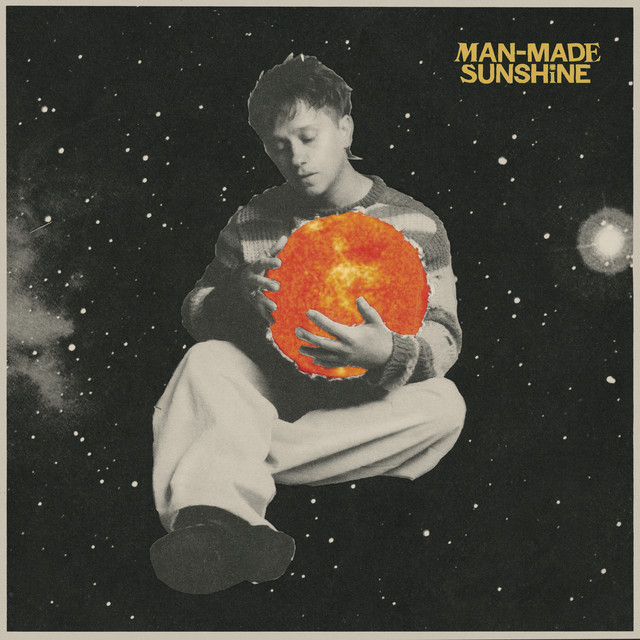
Man-Made Sunshine - "Man-Made Sunshine" (2022)


Man-Made Sunshine is the new solo side project from Nothing But Thieves' frontman Connor Mason as a form of emotional let-out away from the band's typical alt rock style. Connor has never shied away from the fact that he is the main driver behind the poppier elements of the band's sound, which in my opinion have increasingly clashed with the band as a whole becoming heavier over the years. This makes this EP a nice diversion where he can explore more tender ideas of self-rediscovery against a gentler soundscape.

The five tracks here very much moody but hopeful alt-pop slowburns, where Connor's earnest croons are set to low-key synths and gentle acoustic guitars. While nothing mindblowing, they all maintain a level of quality and have moments that I do quite enjoy. Brain In Jar slowly builds to a very restrained and tasteful climax, and Big has a really catchy chorus and I would actually like to see a full band pop-rock balled version of this from NBT - its certainly better than a good handful of the radio rock ballads on the last album. Little Bird is just a cute acoustic song with really wholesome lyrics about being kind to yourself. The last two songs are a little darker in tone. Life's Gonna Kill You (If You Let It) is minimal piano ballad that is more similar to the relentless nihilism of the band's output on Moral Panic. Its probably my least favourite of the five as musically it is very simple and feels like quite a downer after the themes of Big and Little Bird, however its far from bad - just kind of unremarkable. Rosebud is more interesting, taking a dramatic arpeggiated descending piano chord progression and pairing it with Connor's most impassioned vocals on the record.

Man-Made Sunshine is a simple but sweet and consistent little EP, and it's nice to see Connor outside of his usual rock set dressing. If your a fan of NBT, you will enjoy this, even if it might not be noteworthy enough to come back to down the road.

Top Tracks: Big, Little Bird

6/10

Wednesday, 21 December 2022

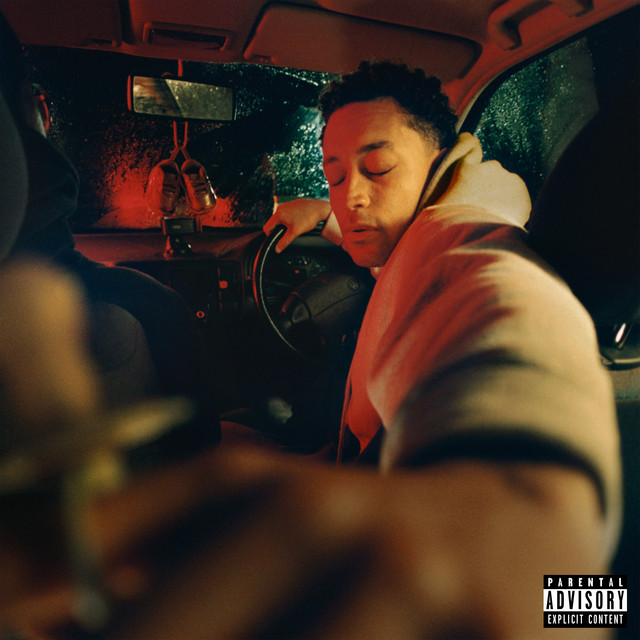
Loyle Carner - "Hugo" (2022)


Loyle's first two albums solidified him as the go-to 'chill guy' of current UK hip hop. The loose, jazzy samples and low-key, laidback delivery made them perfect records to thrown on late at night to unwind to. However, by the end of 2019's Not Waving, But Drowning the vibe had felt like it had run it's course and it was time for Loyle to try something a bit different. Which, thankfully, on Hugo he does. The tempo has picked up, alongside the intensity of the instrumentals and Loyle's delivery; with an increased focus on wider socio-political issues where those themes were used as more set dressing for Loyle's introspection before. It's not a drastic switch into hardcore hip hop or anything, but you can certainly see the influence of Kendrick and Kanye's more dramatic presentation with soul and gospel samples - or even Little Simz's Sometimes I Might Be Introvert from last year which has blown her up into one of the biggest UK rappers currently.

Hate kicks off the record with an eerie synth sample and a crashing hi-hat rhythm, to which Loyle drills into the things he 'hates', which is more a drilling into his own insecurities and thought patterns than just a rant. The lyricism and wordplay on the track is some of his best so far, and while it doesn't fully pop off on first listen, it really is a grower. This leads straight into Nobody Knows (Ladas Road), a groovier cut with its jazzy piano and gospel backing vocals, but equally powerful as Loyle digs deep into his mixed race heritage and absent father. This is a topic he has dabbled in before, but never in such an upfront and honest way.  The rest of the first half follows in the path the first two tracks set out. Georgetown is built around a wonky bass sample and whining synths and Loyle loosely raps over it. It's the closest Hugo comes to the outright bops from the first two records and has a certain coolness to it. Speed Of Plight has a darker instrumental and Loyle's delivery matches the town with a more direct and less swaggering tone.

From Homerton onwards, the album slows down and becomes more familiar to Loyles previous work. Homerton is still very lush and full with a swooning trumpet and soulful backing vocals from Olivia Dean and JNR WILLIAMS, but after this the moodiness creeps up massively. The following track, Blood On My Nikes, is probably the darkest (and also my favourite of the album). It has a tense and sinister beat, and Loyle delves into his experience of gang violence and the desensitisation of violence through videogames. Plastic is incredibly jazzy and smooth, I really like the instrumental on the track. However, the lyrical hook on the track is that Loyle is calling out disingenuous people (and also himself) by referring to them and their possessions / attributes as plastic, and I really feel it runs dry and becomes a little gimmicky by the end of the song. The last three songs really slow the album down and really revert back to the sentimentality of the older records. However, as they only appear at the end they don't have time to outstay their welcome; and do work as a way to wind the album down at it's finish. My favourite of the three is definitely A lasting Place. Similarly, Loyle's love for spoken word and audio bite interludes is still present on Hugo; however I feel they are much more relevant and less intrusive than they were on Not Waving, But Drowning.

On the whole, Hugo is Loyle's tightest and most consistent release so far; and it really feels like he has grown in confidence to make some more outward political statements in his music, rather than just looking inward. However, due to the more serious tone of the album, it lacks any of the fun, laidback bops that are the main draw for me when I come back to revisit his records. While I don't think they would have worked as well in this context, it does hold this album back from being vastly better than his last two. It's still really solid though, and it's nice to see Loyle branch into new musical avenues.

Top Tracks: Hate, Nobody Knows (Ladas Road), Georgetown, Homerton, Blood On My Nikes, A lasting Place

7/10

Tuesday, 15 November 2022

Arctic Monkeys - "The Car" (2022)


Arctic Monkey's last album, 2018's Tranquillity Base Hotel + Casino, proved to be quite divisive - discarding AM's pop rock riffs and coked up bravado that blew them up into global superstars in favour of a tongue-in-cheek 70's-esque lounge pop sound and Alex Turner rambling about about a hotel on the moon. I, for one, loved it. AM's swaggering cockiness always felt a little one note to me, and the shift to taking themselves a little less seriously (once again) made for a much more interesting listen. It also helps that the songs are actually really well written and there is a fair amount to dig into with the themes and subtext of the record beyond Alex pretending to be some washed up rockstar singing in a lobby of a fictional moon resort. The Car, on the surface, appears to be following in TBH+C's footsteps, forgoing any semblance to indie rock for a 70's inspired baroque pop and soul record. But when digging a little deeper, it feels a lot closer to AM than TBH+C, and not in a good way.

What I mean by that is that it feels much more earnest and self-serious, and somewhat of a pastiche (or even a novelty) of the genres it's mimicking. AM borrowed from 70's hard rock riffs and matched them with Alex's fairly generic 'rockstar' posturing - 'sex, drugs and rock'n'roll' and the like. The Car does the same thing, but replaces these elements with layers of lavish strings and pastiche funk guitar likes, and Alex's formless, lounge-y vocals sprawling over these tracks with little regard for metre or consistency. He did this a bit on TBH+C, but it was much more restrained there, and also fitted with the character he was playing on that album. However, when this album is clearly trying to be taken a lot more earnestly, it just comes of as a kind of bad vocal performance. In places, it feels like he is trying (and failing) to do his best Bowie impression, which made me associate the album with a phrase Bowie said to describe his foray into soul and funk - "plastic soul". Bowie used it as a reference to how he originally wasn't part of the soul scene and he was a plastic imitation of it (I disagree - and I'll get back to the Bowie reviews I promise); but that descriptor seems apt for The Car. While as lavish and ornate as it sounds, it just feels plastic-y and uncanny.

The record opens with by far its best track, the lead single There'd Better Be A Mirrorball. It's the only song I wholeheartedly love on the album and I think best represents what the band is going for on here. It is a heartfelt and sentimental break up ballad set to swooning and cinematic strings and a warbling synth line. The lyrics are some of the sweetest and most grounded Alex has ever written, and the track builds such an atmosphere to accompany them. It certainly feels like it could accompany a movie scene of someone walking back to their car in the rain post-breakup. This atmosphere is unfortunately killed right away by the following track (and first one they teased live) I Ain't Quite Where I Think I Am and its tacky 'wah-wah' funk lead guitar part. The song just feels like such a hodgepodge of ideas that never really connect together. The lyrics are disconnected and all over the place, supposedly reflecting a disconnect Alex feels between himself and the environments he finds himself in, but there's too many obtuse references and metaphors masking any sort of depth in the lyrics. I do quite like the string instrumentation that comes in for the chorus, but the cheesy funk guitar comes straight back in for the second verse and takes me straight out of the song. The song feels like a half formed b-side, not one of the big singles from the record.

Sculptures Of Anything Goes has drawn comparisons to AM, which I can certainly see as the mix is mainly comprised of Alex's vocals set against a super-heavy Moog synth bass part - similarly to AM's bass heavy mixes. Once again there are parts of the song I do like; the focus on the synth bass gives the track a lot of tension, and the contrast between it and the strings in the back half of the song is some of the most dynamic use of the orchestra on the album. However, similarly to I Ain't Quite Where I Think I Am, the themes of the song are buried in obtuse references that take away from the emotional resonance; and Alex's performance frankly doesn't do it any favours - he just sounds so underwhelming when set against the drama of music. Jet Skis On A Moat is perhaps my least favourite on the record, with Alex cringily crooning over returning 'wah-wah' guitars. The whole thing feels like the edgeless smooth.fm soul designed to appeal to the type of boomer that can't stand any passion or fire in their music. It really rubs me the wrong way. This leads into the big centrepiece of the record, Body Paint. The track does have its moments, but much like many of the moments on the first half, aimlessly meanders through its disparate sections not really building to a greater whole. It also may be Alex's weakest performance on the record, where the inflections are the most egregious and his voice in general coming across strained and raspy.

The second half of the record is more consistent, sonically and quality wise. The album settles into a more run of the mill vintage baroque pop sound, and Alex's delivery becomes more restrained and professional. However, I will say while there's not much I outright dislike about these songs, they also don't have that much unique going for them to make them stand out. They don't even sound particularly 'Arctic Monkeys' - they're just missing a bit of the snark and tonge-in-cheek fun. There are a couple of songs on the back half that I do enjoy, being the title track and Hello You. The Car is nostalgic look back at childhood memories related to the family vehicle, and features some lush jangly acoustic guitar and melancholic piano. The track feels quite tense, and is so close to being really good - I just wish it had more of a fully formed chorus or climax to pay off that tension. Hello You is apparently the only track that survived the band's first attempt in the studio back in 2019, and certainly feels the closest to TBH+C with it's oddball stream of consciences lyrics and more playful, quirky energy. The song is one of the most dynamic on the record, with a catchy chorus and a somewhat bouncy interplay between the lead guitar and string parts on the song.

It's a shame that following Hello You, the album limps out with two of its least notable and most underwhelming tunes. Mr Schwartz is a fine, bog standard bossa nova cut, and the closer Perfect Sense feels like it's attempting to be some semblance of a big cinematic closer, but then chickens out before it ever gets there, and then the album just kind of ends. My first listen to the record was while doing some jobs and I wasn't looking at the tracklist and I genuinely thought "Oh is it over?.." when the track finished.

The Car isn't an awful album, and it's not like I don't think it's a sound that the band can't do. I loved TBH+C and Alex's two albums with The Last Shadow Puppets that play in a lot of similar soundscapes. It's just I feel that these are easily the weakest crop of songs the band has come out with so far, and some poor aesthetical choices particularly in the first half make it a kind of drab and tiresome listen. As much as I personally have problems with AM, at least that album succeeds in having a load of fun catchy hooks to draw you in, so I can safely say that this is my least favourite record from the band thus far. (I'd still take it over the boring, commercial, 'safe for Radio 2' garbage that a lot of the bands from this generation are making nowadays).

Top Tracks: There'd Better Be A Mirrorball, The Car, Hello You

5/10

Tuesday, 1 November 2022

Muse - "Will Of The People" (2022)


Muse were one of my favourite artists in my early teenage years, and will forever have a soft spot in my heart, despite how underwhelming and somewhat cringy their 2010's output is. After taking a longer than usual break following 2018's bland and trend chasing Simulation Theory (in which they released a collectors edition of the first two albums complete with rarities from that era and an ambitious full anniversary remaster of Origin Of Symmetry), they had some renewed interest from me as the band were talking about returning to some of their older styles and how this new record would be 'a greatest hits of new songs'. In some ways Will Of The People feels like that, although these songs pale in comparison to the Muse greats they're trying to emulate, and the approach to the writing and stylistic choices paints the band into an awkward corner that no amount of "Muse isn't supposed to be taken seriously" can get them out of.

Simulation Theory saw the band appearing to take themselves less seriously after the pretty self-righteous anti-war Drones, but was paired with incredibly predictable and tired 2010's pop rock and synthwave revival tropes that made the album really forgettable in my opinion. Will Of The People, on the other hand, amps up the pomposity (and honestly tackiness) of the band's glam rock and hard rock leanings, which when matched with their weakest written lyrics to date, make it certainly more entertaining on an ironic level than the bands 2010's output. But when actually switching your brain on and looking at the framing of the lyrics and themes (in the music and the interviews surrounding it), it's pretty obvious the band were aiming this to be one of their most grounded albums. This in itself isn't necessarily a problem but becomes one when looking at the connotations that the writing has, and no amount of irony can deflect from it.

Take the opening cut, the title track, for example. The song is this really gaudy and tacky glam rock rehash with cock-rock guitars and ridiculous choral chanted backing vocals. When I first heard it, I did kind of like it on an ironic level, it was so ridiculous that it was entertaining. But the song is apparently very similar to Marylin Manson's Beautiful People (I say apparently because I have never heard this song as I didn't like MM even before he has been revealed to be an sexual, emotional and physical abuser and I'm certainly not giving him a pittance of my money now to verify it). It's questionable that any artist would want to crib so heavily from someone with so many corroborating allegations against them, but a band with such raw technical talent on a song that is literally about fighting oppression is in such bad taste that no amount of irony can save it.

The following track, Compliance, is the same combination of beige synth pop and generic, 'anti-oppression' lyrics that filled Simulation Theory. After this is Liberation, which is the most blatant Queen rip off the band has ever sounded, and is also about (you guessed it) fighting some non-specific oppressor. The next song, Won't Stand Down, is the lead single and was teased by Matt Bellamy to be a return to the heavy, metal influenced side of the band that they haven't shown since the early 2000s. And it does indeed have a heavy alt-metal riff during the post-chorus, but it also has some of the tackiest lyrics on the album and absolutely horrendous Imagine Dragons style plinky plonky synths and booming, obnoxious synth bass hits during the verses. Kill Or Be Killed is a much better 'heavy' song and generally one of the better tracks on the album, generally sticking to a more standard alt-metal style and featuring lyrics that aren't so obviously crap. However, as much as it compares well to the rest of the album it pales in comparison to the likes of Stockholm Syndrome and Reapers from the band's back catalogue. The track doesn't really have any interesting progression to it, it feels like just five minutes of various disconnected riffs bolted on to each other.

While most of these songs are just kind of tacky and bad, the truly tastelessness of the record rears its head again in Ghosts (How Can I Move On). The song is a somewhat insipid piano ballad about the loss of a partner during the pandemic. It is important to note that this isn't a personal song (as Bellamy did not lose his partner during the pandemic), and it clearly shows. The lyrics are utter trite, and read like a GCSE creative writing piece about grief. It's just filled with banal platitudes like "How can I move on?" etc with no real identity or anything. What really irks me about the song is that 'The Great Reset' is mentioned in the chorus. Bellamy is putting dumb political / conspiracy theorist jargon in a song that is supposed to be so incredibly personal and heartfelt. It shows that the band's supposed attempt to be more grounded in real world topics on the album is nothing more than an aesthetic to lace their usual vague "Us verses Them" lyricism. And when so much trauma has been caused by the topics they reference on the album, it really does leave a bad taste in the mouth. So many people have been in the position that this song is supposed to be reflecting, and I guarantee you not one of them is thinking about 'The Great Reset' when grieving a loved one.

Similarly, Verona is a song about forbidden love, with lyrics quite obviously alluding to viruses and masks and social distancing. Yeah the song reads like an anti-mask song. However its clear that the Bellamy isn't trying to deny the existence of the virus, the song acknowledges "the contagion on our lips". In fact the love interest dies at the end of the song, so Bellamy isn't trying to sell it as some government conspiracy. So maybe it's supposed to be ironic, taking the piss out of anti-maskers? But Bellamy's falsetto crooning set against chiming guitars and slow, arpeggiated synth lines implies the song is supposed to be taken wholly seriously. This once again leads to the only conclusion being that the band are only using this current political discourse as an aesthetic to lace over a SparkNotes retelling of Romeo and Juliette. Which again is pretty tasteless considering the amount of people who have been killed by Covid. The closer, We Are Fucking Fucked, reinforces this idea. The song pointlessly lists of references to global events over the past few years (wildfires, world wars, viruses etc) with absolutely no commentary beyond Bellamy's comical bellowing "We are fucking fucked". It's nihilism with no point, that teenage angst where you think your cleverer than the world around you just because you've noticed how shit everything is and you think nobody has ever realised that before you. Yes Matt, we are 'fucking fucked', and?... The song also rehashes a half formed version of the Knights Of Cydonia riff, to show how bereft of ideas it is both lyrically and musically.

The only song here that is remotely enjoyable is You Make Me Feel Like It's Halloween. The track is as gaudy and over the top as the rest of the album, however it's the only one that it's clearly not meant to be taken seriously. The cheesy, funky synth bass and spiralling electric organ are just a lot of fun. It's clearly meant to be a dumb, silly Halloween song and that's what it is. However it feels so odd plonked in the middle of an album that is as equally as ridiculous as it, but completely unintentionally. Here are a load of really bad, tacky, cheesy (and sometimes tasteless) songs that are supposed to be some kind of political commentary, and then a cheesy, novelty Halloween song.

Its hard for me to say which of the past two Muse albums is worse. Simulation Theory was badly written, musically dated on arrival and just plain boring; whereas WOTP is tacky, tasteless and somewhat problematic - although it's certainly going to stick in my memory much longer than ST ever did.

Top Tracks: You Make Me Feel Like It's Halloween

3/10

Thursday, 20 October 2022

Sam Fender - "Seventeen Going Under" (2021)


Earlier this year I went to see Sam Fender's Finsbury Park concert with some friends, and I had promised I would talk about this album, so I am finally getting round to doing it. I have to admit I wasn't initially onboard with Sam when he first broke through in 2019 with a couple of indie-lite, pop rock tunes being Will We Talk and Hyper Sonic Missiles. The bland chipper 'will you go home with me' lyrics and The Strokes reminiscent riff of the former felt very 'just-indie-enough' for daytime Radio 1, and the banal political commentary of the latter felt so tame and obvious. I decided I didn't need to check out his debut album, which was a shame as there is some pretty good tunes on it. My interest only really developed after the release of the lead single and title track of this record, his second. The song is very much a grower, being an earnest Springsteen-esque heartland rock epic about the trials and tribulations of growing up in a dead-end backwater UK town (in Sam's case it's his hometown of North Shields but it could apply to anywhere). The song is paced brilliantly, as each line of each verse builds the tension further, but there isn't actually a chorus to release that tension. Therefore you are left on a knife edge until the very end of the song where Sam howls "I'm seventeen going under" amidst swelling sax and roaring guitars. The song is so well written that you might not even notice this, as every line of the song is catchy and relatable enough to be the hook.

It opens up the record perfectly and the first half of the tracklist very much follows in its footsteps - albeit with more conventional song structures. Sam paints himself as an earnest everyman, not shying away from his darker side and his own troubles, but also not indulgently self-deprecating for the sake of edginess. The tracks a built off driving rhythm sections and roaring guitars, akin to Springsteen or U2, feature cathartic sing-along choruses, and build to their climaxes with soaring strings and swooning sax. The particular highlights are Getting Started and Get You Down. The joyous and resolute chord sequence and catchy as all hell chorus of Getting Started is like a shot of serotonin straight to the brain, whereas Get You Down's thoughtful lyrics reflecting on the impact Sam's past mistakes have had on a loved one are equally as gripping.

It's only at the midpoint where the record begins to slow down, with the back-to-back Spit Of You and Last To Make It Home. Spit Of You is a slower cut, replacing the roaring guitars for a jangly acoustic while Sam lays bare his troubled and difficult relationship he has with his father, and his yearning for are more honest and emotional connection with him. It's a heartfelt and relatable cut that really brings the album back down to Earth after the anthemia of the first half. Last To Make It Home slows it down even further, being a piano ballad about feeling lost in life, being the last to leave the bar at close and trying to seek validation and connection through social media. Sam sings it with such earnestness that it feels quite moving, although at over five minutes with only two verses and a long drawn out chorus it can drag a little.

Not all the songs here are introspective and personal tales, as like on his debut there are a couple of political tunes on here as well. And similarly to Hypersonic Missiles they don't really hit the mark. Aye is a wordy and driving rant on the untouchable powers that be behind the curtain of our elected political leaders, but in some ways it's too wordy for its own good - as in the first verse it stretches all the way from Boudica to Jeffery Epstein. I get the point of what Sam is saying here (being that these powers have always been in place) but it makes the song lack focus and it just descends into political disenfranchisement and nihilism, but it doesn't have any rallying hook or message to get behind to counter it. Another gripe I have with the song is that the driving guitars build and build tension, and when you think all that tension is going to explode into a pit worthy guitar solo or breakdown the track just kind of ends out the blue. Similarly Long Way Off's message of 'I think I'm on the right side but were still a long way off where we need to be' is again so banal and vague. Looking into the track, it's about the progressive abandonment of certain UK working class communities by Labour in the 2010's, which is a meaty topic, but Sam doesn't delve into it with any real depth, instead opting for the 'we need to think less rigidly and black and white' platitude.

The back half of the record very much follows on from the aesthetics of the first half, and so there aren't all that many surprises on it. There's a slow-burning ballad in the form of Mantra, and another driving anthemic cut being Paradigms. This song is definitely the most forgettable on the record, with the driving guitars, Sam's earnest delivery and climax of strings and sax pretty played out by this point on the record and I feel the bonus track Better Of Me should've made the cut instead (as it is easily the best of the bonus tracks and a real change of pace with its stripped back approach and warbling synth lines). The Leveller is a highlight of the second half with its pummelling drums and more immediate punky energy; as is the closer The Dying Light. It is another heart wrenching piano ballad in ode to the friends that he's lost to suicide, alongside the men he sees drinking their sorrows away in his hometown, as well as his own fears about the future and bringing children into the world where these cycles of generational trauma never seem to be broken. The track slowly brings itself out of this depression as Sam decides to not give in to the hopelessness the sake of his family and friends - both the ones he has lost and the ones that are still there with him.

Seventeen Going Under is a good, sometimes great album, that is a real step up from his debut. He's at his best when he's telling personal tails of relatable struggles, which is thankfully the majority of this record. I am a little concerned, however, of where Sam can go from here as the title track is by far the best track he has ever written and I'm not sure he can top it. Similarly, his style and aesthetic begins to wear out it's welcome by the end of the record (the bonus tracks, bar Better Of Me, are pretty unremarkable and I'm glad they weren't included on the main album), so only time will tell if he has enough good songs of this style in him to fill out a third record with the same quality.

Top Tracks: Seventeen Going Under, Getting Started, Get You Down, Spit Of You, The Leveller, The Dying Light

7/10

Tuesday, 11 October 2022

black midi - "Hellfire" (2022)


Following straight on from last years Cavalcade, black midi are back with their 3rd record, Hellfire. The band claimed that 'if Cavalcade was a drama, Hellfire is an action movie', and that certainly is the case with all of the elements that made up that record returning but with supercharged intensity and ferocity. The complicated, technical grooves that build the base of their sound are here, alongside the fusions of classical and jazz instrumentation that Cavalcade brought along - but is all brought forward in a much more immediate and forceful way. The record is two tracks longer than Cavalcade yet is nearly four minutes shorter, so it doesn't have time to ebb and flow in the same way as that album. It's a breakneck rollercoaster to the finish. 

The most obvious change to create this sense of immediacy is the approach to lyrics and themes. This is the first time a bm record has presented its ideas so blatantly, with the stories these tracks tell actually intelligible - as opposed to the obtuse doom propheteering of Cavalcade and the general psychotic ramblings of Schlagenheim. The titular intro track spells out all that Hellfire is, being the grim reality of mortality and death, the graphic brutality of war and the ideas of sin and damnation that try to make sense of all the madness. 

The more upfront lyrics of the album combined with the sprint to the finish pace make it probably the most accessible bm record of the three, with the tracks on the first half of the record just rolling into each other with no room to let up. Following on from the intro track, Sugar/Tzu opens with a theatrical sporting announcement before exploding straight into pummelling arpeggios and bombastic horns - reinforcing the themes of the trivialisation of war through viewing it as some kind of game where personal glory can be gained. The end of the song crashes straight into Eat Men Eat, a less brutal but just as tense track sung by bassist Cam Picton. The sinister flamenco groove of the song perfectly matches the creepy and graphic tale of mutiny and food poisoning as a mine captain tries to poison his workers to produce stomach acid to be the secret ingredient in has wine production. It's graphic and weird and reminds me of those slightly traumatising kids stories you'd see on CBBC in the 2000's (obscure reference, I know).

This then bombards straight into Welcome To Hell, the lead single and anchor for the albums themes. Geordie Greep plays the role of a WW1 recruitment / training officer, luring in the character of Tristan Bongo to sign up with tales of glory and adventure, before revealing his true intentions about using him purely as a tool to kill others in the 'game of war' and descending into abuse and eventually discharging him for not withstanding the trauma and developing PTSD. Musically it is perhaps the most refined of the bm cacophonous walls of sound / pummel your face off type tracks which matches the vocal delivery from Greep perfectly. Still is the first time the album lets up, and after the intensity of instrumentation and lyrics of the first four tracks it is a necessary breather. Lyrically it is the most lightweight on the record, being a mere breakup song - as opposed to the traumatising horrors of humanity thus far. It has a country twang to it and there's a particular part towards the end where it progresses into a kind of barn dance breakdown that I really like and wish lasted longer than a couple pf bars. As much as I like Still, it does feel at odds with what comes before and after it in the record. Where every other song is about the traumatic depths of humanity, Still is just a kind of sad but generally calm and unemotional breakup tune.

Half Time brings back the sporting themes from Sugar/Tzu and signals the transition to the back half of the record, which unfortunately doesn't grip me like the first half. The Race Is About To Begin picks up the story of Tristan Bongo after Welcome To Hell, where he descends into a gambling addiction betting on horses. The song has musical similarities and call backs to that track, which in my opinion means it struggles to set itself apart in its first phase. As the track progressive, Greep's vocals descend into this staccato semi-rapped / semi spoken word delivery reminiscent of a horse racing commentator; and while it does distinguish it from Welcome To Hell, it feels a little gimmicky and the track as a whole goes on way to long. On every listen for me, Dangerous Liaisons and The Defence slide into background, they're just fairly unremarkable compared to the front end of the record and black midi in general. They follow the same themes as the rest of the record, with more of a religious slant dealing in temptation and sin and hypocrisy. Perhaps it's just the sheer bombardment of words and ideas of the record up to this point that I am just desensitised to the themes by this point.

27 Questions Closes out the record and one again brings back some of the lost intensity with thunderous pianos and crashing percussion, sounding like some kind of march towards inevitable death. Which is what the song is about as the protagonist escapes awful weather out in town one night in a free admission show by the character Freddie Frost, a washed up actor making his last play about his life's achievements as he is on deaths door. The whole first half feels sinister and foreboding as the play tries to dress up Freddie Frost as a grand and accomplished figure, before the second half completely unravels it. It's sung from the perspective of Freddie, and becomes the play he has written, which he finishes off by listing off his 27 questions about 'life the universe and everything', completely demolishing the fake grandeur of the performance, declaring it pointless and farcical in the face of death, becoming completely self-deprecating before he drops dead on stage before he could even finish his 27 questions. I am really mixed on the track, as I get what it's trying to do, and I really love the musicality of the first half. But the flip to Freddie's perspective both musically pushes the theatricality of the album just a little over the edge into a territory I can't really take seriously, and also feels like the record descends into that kind of sixth form 'nihilism = clever' territory.

I guess that's my biggest problem with the record when compared to Cavalcade. As the lyrics and themes are more prominent this time around, its more easy to see that when you strip back the technical musicianship and wordy, meaty lyrics, its just plain nihilism. And while there's a place for it in music, dressing it up as something more profound than it actually is does rub me the wrong way a little. It gives off that 'look I'm more clever than you' vibe. Cavalcade was more patient, and more mysterious and wonderous, and more consistent. That being said, I very much enjoy the first few tracks here, musically and lyrically; and on the whole I'd take it over the somewhat shock value allure of Schlagenheim.

7/10

Top Tracks: Hellfire, Sugar/Tzu, Eat Men Eat, Welcome To Hell, Still