Sunday, 13 February 2022

The Wombats - "Fix Yourself, Not the World" (2022)


Out of the crop of late 2000s 'landfill indie' bands, The Wombats have certainly aged better than most. The bands cheesy, anthemic hooks have proven far less wince-inducing over the past decade than the awkward, laddish misogyny of the likes of The Fratellis and The Kooks. The band have also smartly evolved their sound over the years, with tracks like 2015's Greek Tragedy sounding closer to the 2010s' 80s revival indie pop of The 1975 than the watered down post-punk and garage rock of the scene they broke through in. This cumulated in 2018's Beautiful People Will Ruin Your Life, which took the band back to their early influences and stripped back the sound to match. It's a record that I enjoy to a fair amount, with strong catchy songs that shows the band's clear adoration of the early noughties indie trailblazers like The Strokes and Arctic Monkeys. Fix Yourself, Not the World follows up on a lot of the post-punk revival and dance punk elements of that record, but maxes out the scale and bombast - to varying results.

All is revealed by the opening track, Flip Me Upside Down. The track is so shiny and polished, but feels so predictable and safe. The vaguely dance-punk groove is rigid and lifeless, the hook bland and by the numbers, and the maximalist production sanding off any scrappiness or energy that a track like this needs. The song is far from bad, but it's the kind of watered down early 2010's indie that the band have so far managed sidestep. This over-polished, super safe style is unfortunately carried through the entire album, from the Glastonbury-highlight-montage-core of This Car Drives All by Itself; to a softened up version of Death From Above 1979's heavier style of dance rock on Ready For The High; to the cringy millennial whoops on Don't Poke the Bear .

The lyrics on the album are also quite pessimistic, which is not a style which suits The Wombats well. While the outright cheese of the band has been slowly turned down over the years, the band maintained their sense of fun and levity. While nowhere near as downtrodden as say a Radiohead album (there's actually a really fun lyric referencing the band here), the band tries to tackle some broader societal and introspective themes on the album that they don't really have the writing chops to pull off. The songs are earnest, yet don't have much depth, and also try to retain the bands inherent silliness. It's a weird mix that never really finds balance.

The record still has its moments. Lead single If You Ever Leave, I'm Coming with You is a fun and universally emotional blast akin to a lot of their big hits in terms of melodrama and scale, and This Car Drives All by Itself is incredibly catchy despite how cliché it is. Method to the Madness builds slowly through a low-key, downtempo instrumental into a thunderous and chaotic climax which is surprisingly heavy for The Wombats.

All in all, the album is fine, but incredibly run of the mill. It sounds straight out of 2011 in all the wrong ways, the kind of watered down, overblown, festival-sized indie rock that garnered the 'landfill' term back then. I can see teenagers new to the band loving it, but it lacks originality even compared to the bands earlier work.

Top Tracks: If You Ever Leave, I'm Coming with You, Method to the Madness

5/10

Thursday, 20 January 2022

IDLES - "CRAWLER" (2021)


New Year, last years albums! After a hectic 2021, hopefully 2022 will have a little more time for the blog. I'm aiming for posting roughly once a week-ish, so we'll see whether I'll keep it up. Anyway, IDLES came around with their fourth record, CRAWLER, at the back end of last year, and has come across to the slightly more critical reception of their last album, Ultra Mono. I really liked it, being my first proper introduction to the band. However, a lot of fans / critics felt the band were becoming caricature of themselves - the hardcore punk sound played out and the sloganistic lyrics too on the nose and shallow. CRAWLER, on the other hand, takes the band further into their more cerebral post-punk tendencies, with a greater emphasis on subtler guitar and electronic textures and more personal, reflective lyrics.

The bulk of CRAWLER revolves around singer Joe Talbot's journey out of substance abuse, making the record a much more sombre and moody one than Ultra Mono. This is exemplified by the opener, MTT 420 RR, where slow fizzling synths lead into Talbot's detached vocals. "It was February, It was cold and I was high" he sings over and over. The song is about a car accident he had while under the influence, and features some truly violent, horrific imagery. Obviously exaggerated (as he is still alive), but Talbot sings about seeing his own spinal chord. It's the bleakest moment on the album and very much a tone setter.

However the tone is a bit all over the place, which is this records biggest problem. The following track, The Wheel, follows in this dark path lyrically, detailing Talbots struggles pre-IDLES with finding a job and looking after his chronically ill mother when everyone around him had turned their back - besides his drug dealer, keeping him in 'the wheel'. However, the song musically is very much standard IDLES, and really doesn't convey the weight and trauma of the situation effectively. This tonal whiplash is at it's worst at the back end of the record. Progress is a fairly uneventful, low-key, electronic mood piece which is then followed by the 30 second thrash-punk of Wizz and then the most run of the mill IDLES sounding song on the album, King Snake. I get the thematic journey of the sequence, being that progress is about recovering from addiction, Wizz is the short high during a relapse and King Snake details the comedown and feelings of failure and depression that follow. However, Wizz is gone in a flash and King Snake doesn't sound like the themes it is trying to convey - it sounds like usual IDLES.

Not to say that the album is a swing and miss, because it very much isn't. It feels like more of a half step than a full embrace of a new sonic path. There are songs that marry IDLES' older style with these new themes quite well. Stockholm Syndrome and Meds are more righteous in there approach, calling out people who judge addicts and Talbot calling out his past self for all the damage his addiction caused, which suits the bands blaring guitars and thunderous drums more than some of the more harrowing moments on the album. However the best songs on the album (alongside MTT 420 RR) are the two most left field (also the two singles surprisingly). Car Crash builds on the hints of electro-industrial and noise rock from Ultra Mono and chugs away and builds with so much momentum, until the inevitable release where Talbot realises he is a 'car crash'. The Beachland Ballroom, on the other hand, is the grounding weight and heart of the album. It is a punked up soul tune with so much passion and expression in Talbots voice. It's the moment of connection and humanity that keeps the album from being too sour and depressing. The record also closes well, with Talbot coming out the other end on The End, singing the mantra "In spite of it all, life is beautiful". It gives the record a full, satisfying arc and progression.

While the lyrics and themes on the record are really detailed, interesting and well constructed; the album as a whole feels more like a half step into a new sound - leaving it a bit caught in no mans land. It's unsure whether to be sombre and dejected, or angular and abrasive, or loud and righteous. It lacks the energy and fire of Ultra Mono, but doesn't go all in on anything to replace it. There are still some top notch tunes on the album, and it's greater depth is probably going to win back a lot of people that thought Ultra Mono was a little too lightweight.

Top Tracks: MTT 420 RR, Car Crash, Stockholm Syndrome, The Beachland Ballroom, Meds, The End

6/10

Monday, 27 December 2021

Coldplay - "Music Of The Spheres" (2021)


Coldplay are a particularly over-hated group, with much of their 2000s output being really good pop and rock. There's a reason they're one of the biggest selling artists of the last 20 years, their songs have a universal emotion and earnestness to them. Even their pivot to out and out pop in the 2010s wasn't that bad, with each record sporting at least one or two songs of real quality. However, this latest album, Music Of The Spheres, is everything that haters of pop-era Coldplay make them out to be. Its a bland, genre-less, biteless, insipid record made for the widest, most lowest-common-denominator audience; and sports montages and car adverts. 

All is obvious from the lead single, Higher Power, which is just half-baked knock-off of The Weeknd's Blinding Lights, and that's the best song on the record. It's not the worst Coldplay single (Something Just Like This exists after all), but it's certainly the most homogenised and forgettable. The next track released is the closer, Coloratura, which is such a bait and switch from Higher Power (and the rest of the album as a whole). It is a 10 minute piano-prog space rock song and certainly the 'artiest' on the record, but ultimately is pretty limp and lifeless so doesn't really save the cynical, clinical 30 mins of focus tested pop beforehand.

In between these two tracks are bland, trend chasing songs with the most dumbed down, 'relatable' lyrics and squeaky clean, edgeless instrumentals produced by pop superproducer Max Martin and a whole team of others. There are pointless interludes designed just to pad out the tracklist that have tacky emoji titles. There is nothing interesting or unique or passionate about this record at all, just the band and label cynically trying to keep their relevance as sales juggernauts. HumanKind has stupid lyrics about how everyone is only human and the belief that everyone could just get along if we are all kind to each other, against really tacky sounding 80s pop-rock synths and squeaky clean guitars. Chris Martin's voice sounds terrible on the hook, with the elongated falsetto "huuumaaaan" sounding strained and squeeky. Let Somebody Go is the blandest and most by the numbers break up ballad; and makes soppy ballads like Everglow and True Love from the bands back catalogue seem angsty by comparison. Selena Gomez also adds nothing to the track and has zero chemistry with Chris. It really sounds like she just submitted her vocals over email for the pay check.

My Universe is an equally nothing-y pop song featuring BTS just to cash in on their name and rabid fanbase. It is a bland and forgettable synth pop song with nothing unique about it, and BTS bringing no flare to it whatsoever. 🤍 Is a cringy choral ballad about how "boys don't cry" but lacks any of the simplicity and sincerity that makes The Cure song it cynically cribs from so great. People of The Pride is a trashy pop-rock revolution song that takes the beat from Sam Sparro's Black and Gold and forces it to sound somewhere in-between Muse's Uprising and Depeche Mode's Personal Jesus. The lyrics are tacky and pandering, and lack any angst, let alone anything particularly targeted or meaningful. Biutiful is so truly awful that the name is intentionally misspelled, and is so basic and underwritten it tries to mask it with gimmicky pitch shifted vocals.

The most offensive thing about this record is that it is designed to be so nothing-y and milk toast that it can easily slip into the background, and therefore be played anywhere and everywhere. None of these songs are particularly annoying - they don't have enough character to even be that. If Coldplay weren't capable of so much better, I wouldn't even be bothered to care about this record. It is faceless, lacking in any personality; just a cynical exercise in cashing in on the band's silent majority fanbase. I barely remembered anything about this record in the months since it came out and writing this review, and I will quickly forget everything about it again after I am done.

2/10

Thursday, 23 December 2021

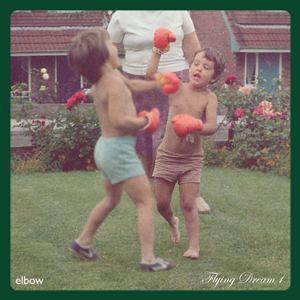
Elbow - "Flying Dream 1" (2021)


Elbow have spent the past couple of years in lockdown quite reflectively, reissuing vinyls of all their previous albums, adding previously unavailable live albums onto streaming, and releasing a 20th anniversary edition of their debut, Asleep In The Back, complete with their earliest EPs and B-sides as bonus tracks. This mentality has clearly rolled over into this new record, with tracks like the title track and The Seldom Seen Kid referencing previous songs and albums in the bands catalogue. Written in lockdown, and then recorded in the Theatre Royal in Brighton before it reopened, the record sounds both live and warm; yet airy and quiet - like Guy Garvey and co are playing to an empty audience. Which is kind of what they are doing.

Written without the usual idea of an album cycle consisting of radio-ready singles and performing live on tour; the band has gone further down the subtle and gentle route they have been starting to head towards with their past couple of albums. This is the biggest departure from the anthems of The Seldom Seen Kid and Build A Rocket Boys era of the band. There's not a single soaring anthem for TV montages or crunchy, bluesy guitar riff on here. All 10 tracks are slow, patient ballads with beautiful instrumentation reflecting on good times gone by and the small joyous things in life that we all had to focus on to get by during much of 2020 and 2021.

In typical fair for Elbow, the songs here are quality. This is a band that just doesn't release bad songs, even 9 albums in. However, I will say this is perhaps the Elbow album I've connected with the least on release. I think its more due to where I am in my life currently, 2021 has been a whirlwind, and songs about quiet moments with your family and memories of old friends. I feel like I would've found more connection to this record if it actually came out in lockdown; rather than the frenzied rush of life afterwards. Like I said, though, it is still a quality record with some really enjoyable songs on it.

The two singles are particular highlights, being truly beautiful ballads that just feel so pure and heartfelt. Six Words is a patient love song that slowly unravels from stripped back, plucked orchestration to a much fuller and warmer sound filled with drums and bass. The Seldom Seen Kid is an ode to Bryan Glancy, a late friend of the band, and captures the feelings of nostalgia and longing so perfectly. Garvey sings to his wife "Babe, if you met him" and it feels so bittersweet and pure against the open airy woodwind instrumentation and emotional piano solo.

The first half of the record on the whole feels quite cold, almost as you can feel the emptiness of the theatre. Flying Dream 1 and Is It a Bird feel stark and simple, barely filling the mix out with a lot of empty space. They have some beautiful lyrics and melodies, but they don't flaunt them. After the Eclipse sits in-between them and is certainly a much warmer sounding song. It is dreamy and woozy, with very Pink Floyd-esque guitar lines and vocal melodies. It sounds just like a hazy summer sunset, but is still very reserved and timid. Calm and Happy rounds out the first half with perhaps the calmest and simplest song yet. Here you can really feel the emptiness of the theatre; with the revering twangs of the guitar of the walls. All of these songs are really well written, but their placement makes the record feel like it takes a while to get going. The only song that feels like it fully unravels and lets itself go in the first half is Six Words.

The second half kicks off with the much more melancholic and powerful Come On, Blue. It's still a slow tune, but the waves of hazy synths and Guy's much more prominent vocals make it feel so much more present than a lot of the first half. The Only Road is much more up-tempo and upbeat. The plodding drums and simple strummed guitar fit perfectly to the lyrics about Guy Garvey going on a road trip with his wife and child. It might be the cutest and most wholesome song the band has ever made, and they have always been ones for soppy sentimentality. Red Sky Radio (Baby Baby Baby) is this half spoken word, half sung song with some beautiful elements to it. The lyrics are great, and the instrumentation is the most powerful on the record up to that point. But it doesn't quite come together, I think due to the songs deliberately off-balance nature. Like it is a really beautiful song at its core, but trying desperately to be rough around the edges and unkempt. The closer is the closest we get to a traditional Elbow anthemic single, being a euphoric blue-eyed soul song dedicated to his young son, aptly titled What Am I Without you. The electric organ and bouncy 60s doo-wap rhythm give it a really timeless nature and is such a hopeful way to end quite a quiet and reflective release from the band.

Elbow are my favourite band, and their records always end up being the soundtrack to my life at various stages; so while I'm not quite in love with Flying Dream 1 right now, I know there will be a day when I will be head over heals for this record. As it stands right now, Elbow's song writing and musicianship is as still as on point as it always has been, and reflects a level of stability and content that I'm sure I would connect with I wasn't in such a hectic stage in my life.

Top Tracks: After The Eclipse, Is It A Bird, Six Words, Come On, Blue, The Only Road, The Seldom Seen Kid, What Am I Without You

7/10

Monday, 13 December 2021

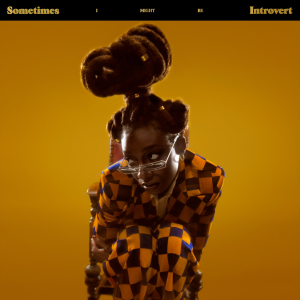
Little Simz - "Sometimes I Might Be Introvert" (2021)


Wow, turns out masters courses are hard work - so this is the longest break I've had on here. Anyway, hopefully back to more regular posts now. Little Simz burst into the mainstream sphere with her 2019 album, GREY Area; a raw and gritty hip hop record with a concise flow and poignant introspective lyrics. It was my favourite record of that year and it has not dropped out of my rotation since. Sometimes I Might Be Introvert, while still of excellent quality, couldn't be anything more different. It is a maximalist, 'magnum opus' scale record that brings back a lot of the neo-soul and funk elements of Simz' earlier output; but amping up the confidence and gravitas to another level. At over an hour long, with 19 tracks (5 of which are grandiose orchestral and spoken word interludes), SIMBI (also Simz' personal nickname) is a behemoth. This dramatic, semi-narrative structure is clearly borrows from hip hop giants like Kanye West and Kendrick Lamar; as does the theming around the struggle between the artist and the person off the stage, and the deeper introspection on Simz' psyche. It is obvious that Simz' is aiming for this record to be mentioned in the same conversations as My Beautiful Dark Twisted Fantasy and To Pimp A Butterfly. And for the most part, she gets there.

The record kicks off with its strongest run, from the opening Introvert to I Love You, I Hate You. Introvert is this massive, world shattering orchestral hip hop song that elevates Simz' lyrics from musings about her place in the world to a 'do or die' level of intensity. This instantly transitions into the gorgeous 2nd track, Woman, featuring Cleo Sol. This is pure neo-soul serenity, with its smooth as anything instrumentation and Cleo's silky vocals on the hook. Woman once again instantly transitions into the jazzy and off-kilter Two Worlds Apart. These kind of snappy transitions are common throughout the entire album and they are all brilliant. Two Worlds Apart starts hazy and relaxed, with Simz rapping in a lackadaisical flow about a failing relationship that has gone stale. She slowly morphs into a more deliberate and confident flow as the track progresses, reflecting her realisation that she no longer needs this person. I Love You, I Hate You might have the most poignant and precise lyrics on the entire record, detailing Simz' relationship with her estranged father and the trauma and baggage that comes with a parent walking out on their family. This is all set to a snappy funk beat and warped, repeated soul sample of the line "I love you, I hate you", that just oozes intensity and importance.

Following this is the first interlude of the record, Little Q, Pt.1,  a spoken word interlude from Simz' cousin leading into Little Q, Pt.2, a song which Simz' wrote from his perspective about the experiences he has been through including a near fatal stabbing which left him in a coma. The song is built around hopeful children's choir backing vocals that give a sense of joyousness and innocence; as if it is relieving itself of the cycle of anger and violence that perpetuates in the gang cultures that sent Little Q to a hospital bed. Little Q, Pts. 1 and 2 sits as sort of a transition from the very funk and soul heavy first few tracks to the much more eclectic middle section, which starts with the first of the fantastical, orchestral interludes. While I certainly get the need for some kind of interludes on the album to break up its various styles and genres, the musical theatre-esque melodrama of them is really on the nose and doesn't really do all that much to smooth over the transitions between the different styled songs. In fact I much prefer the hard, snappy cuts such as the one between Introvert and Woman.

While all the songs in the middle section on the record are at the very least pretty great, it is the part of the record with the most sonic whiplash. Speed is a raw and gritty tune that would've fit perfectly on GREY Area with its gruff bass and fuzzy synth line. This leads directly into Standing Ovation, which follows in the same dramatic and grandiose orchestral style as Introvert. The track is dynamic with a lot of tempo changes; which makes it feel like the grand centrepiece of the album. Then the album whips back to the neo-soul sounds of the first leg with the super sexy and suave I See You, before crashing into another interlude. After this we have the edgy and sinister sounding Rollin Stone, which leads into the biggest 180 on the record, the bouncy synth-funk bop, Protect My Energy. All of these songs are good tracks, but hard to place contextually within the albums flow and progression. It feels like a whistle-stop tour of everything Simz' wants to explore.

After another dramatic interlude, the album does settle down for it's last portion. This begins with the seamless back to back due of Point And Kill and Fear No Man. These jazzy afrobeat songs ooze confidence and charisma. The sound so joyous and free, like a carnival in the street. After one last interlude, the record closes with a couple of more gentle, reflective songs; where Simz reflects on her friends, family and journey. How Did You Get Here is more broad, detailing her journey through school, finding her passion for rap, finding a group of likeminded friends, and then finally striking it out on her own and finding success. Miss Understood focuses more specifically and Simz' strenuous relationship with her sister; and how the demands of being a performing artist has caused them to grow apart. Its a bittersweet and understated way to end the record and features such a soothing emotional hook that has me singing along every time.

While I think GREY Area is technically a better album on an objective level (It's tighter and more consistent in tone and theme) and I still just about prefer it personally, SIMBI's songs alone put it in the same ballpark. I managed to go see Little Simz live a few weeks ago, and the songs hold up even better in that environment. If it had just a little less sonic whiplash, and featured some slightly less on the nose interludes I would not be able to fault it at all.

Top Tracks: Introvert, Woman, Two Worlds Apart, I love You, I Hate You, Little Q, Pt. 2, Speed, Standing Ovation, I See You, Rollin Stone, Protect My Energy, Point And Kill, Fear No Man, How Did You Get Here, Miss Understood

9/10

Friday, 17 September 2021

CHVRCHES - "Screen Violence" (2021)


CHVRCHES' first two records were two really great, emotional and introspective synth pop albums featuring gruff and jagged sounding synths and vocal manipulations on Lauren Mayberry's strident voice that gave them a real bite to them compared to a lot of the 2010's 80's nostalgia groups. However with their third album, 2018's Love Is Dead, they shifted to making more mainstream pop with Lauren looking more outwardly for lyrical inspiration and they shipped off production to pop super-producer Greg Kurstin. These changes completely stripped the band of their personality, with the lyrics coming off bland and repetitive, and the music behind them really edgeless.

However I'm glad to say that CHVRCHES are back. From the opening moments of Asking For A Friend you can just tell the band have gone back to what they know best, self-produced edgy and immediate instrumentals and dense and detailed lyrics about Lauren Mayberry's personal experiences in the world. Asking For A Friend is also one of CHVRCHES' best songs. It's self-questioning, yet self-assured; and deals with a fractured and sour friendship that has fallen apart. All this tension and hurt builds throughout the track until it crashes down into a dance breakdown that the band do so well.

Much of the record has taken on a slight horror aesthetic, with darker more graphic lyrics that refer to the likes of death and disappearance and nightmares. To accompany this, the band has leaned more heavily into the darker side of their influences, the likes of Depeche Mode and The Cure. This gives the record more of an alternative rock element compared to their past releases that works well within the band's dynamic. Tracks like California and Violent Delights are built more around their guitar and drum parts, with the layers of synths as an additional varnish on the songs. Violent Delights in particular is build around a driving and grizzly breakbeat, with the cinematic layers of guitars and synths creating a massive and overwhelming sound to accompany the lyrics detailing graphic, off-putting dreams and recurring nightmares.

The record builds to its gigantic centrepiece, the melodramatic and monolithic How Not To Drown featuring Robert Smith of The Cure. It's a fairly long tune for CHVRCHES, that slowly builds to a climactic bridge with both Lauren and Robert pouring their hearts out over thick syrup-y guitars and waves of washing synths that make you feel like your falling deeper and deeper into the songs atmosphere. This is followed by Final Girl, the song that sounds the most like The Cure on the record. The reverb-gated drums and whining guitars sound straight out of Kiss Me, Kiss Me, Kiss Me. The track deals with the idea of choices and life decisions, and whether there is some final version of yourself that is truly happy and accomplished. The track switches to a major key for the choruses and provides a great dynamic between the reality of what is and the fantasy of what could be.

Unfortunately, the record does have a few flaws. At points it does feel a little too blown out and over-produced, particularly the drums on some of the songs. For example the song Nightmares, which I quite like the song at its core, is so loud and full that Lauren's voice comes of like it's fighting for space against everything else. It sounds like she is shouting, but without any of the body and weight behind it. The singles (other than How Not To Drown) are also not great. He Said She Said has really ugly super blown out drums and uninspired lyrics that read like a Wikipedia definition of gaslighting. It's a frustrating song because Lauren written far better and more nuanced songs about similar topics before. Good Girls isn't quite as bad, but follows a very run of the mill pop chord progression and structure, with quite a repetitive chorus as well. However it does feature the line "They say I cut my teeth on weaker men", which is delivered with a level of sass which makes me smirk.

The album does end on a real high point though, the stripped back ballad about betrayal, Better If You Don't. Lauren delivers the lyrics with a sense of real pain and hurt, the kind of deflation when you give up on someone. The track slowly picks itself up, as the tempo increases and the chiming guitars provide a cathartic release.

Screen Violence is a record that I want to like more than I do, because it contains some of CHVRCHES best songs to date. However a couple of dud singles and slightly excessive production hold it back slightly compared to the band's first two records. I'm glad they're back on form and looking forward to the darker direction they seem to be heading in.

Top Tracks: Asking For A Friend, California, Violent Delights, How Not To Drown, Final Girl, Better If You Don't

7/10

Friday, 10 September 2021

black midi - "Cavalcade" (2021)


black midi burst onto the scene in 2019 with Schlagenheim, a mesmerising collision of post-punk, noise rock and experimental rock that was attention grabbing if a little too over the top and headache inducing. They have returned with their sophomore record, Cavalcade, which while retaining the core of the band's identity also takes some drastic sonic changes which I personally think have really paid off.

Gone are most of the harshest post-hardcore and noise rock tendancies, instead the band opt to incorporate orchestral and jazz instrumentation to fill out the cacophonous walls of sound that is characteristic of their style. What results is a record that can be equally as loud as Schlagenheim, but nowhere near as draining due to the sheer colour and verity of not just tracks, but individual sections of tracks also. The dynamics of these songs also feel far more loose and natural than on the debut, swelling into climaxes and ebbing back into spaces to catch your breath, as opposed to the whiplash nature of the first record.

Furthermore, Cavalcade feels like a tighter, more structured album. The sequencing gives each of the 8 tracks a sense of place and purpose. The first half matches the louder, more intense moments with ones that let you catch your breath; and the second half progresses from the gentle and serene post-rock of Diamond Stuff, through the progressively louder Dethroned into Hogwash and Balderdash which is as loud and colourful as the first few tracks. All of this leads into the final track, Ascending Forth, which is a grand theatrical finish for the record. It has a more intentional structure and flow the Schlagenheim which only adds to it's listenability.

The record opens with John L, which is probably the most brash and in your face song on the record. It feels very much like a mission statement, as if black midi are announcing their new sound. It comes crashing in with a complex, jarring rhythm and syncopated strings that produce so much tension. It then judders and rolls into the first section of vocals on the record; which Geordie Greep has taken a different approach than on the first album. While still bizarre and detached, they're not quite as intensely insane as the first record, which I think I prefer. He sounds more like some kind of profit of the apocalypse rather than a madman on here. The track then switches between this initial rhythmic section and a couple of quieter jazz and post-rock inspired sections that constantly mixes things up. The following track, Marlene Dietrich, couldn't be further from this. It's a loose and classical inspired art rock tune that's fairly straightforward in the grand scheme of the album.

Chondromalacia Patella is returns to the complex grooves of John L, but instead of throwing it all in our faces at once, it slowly builds and builds to a complete cacophony of sound and noise that somewhat comically ends in the sound of a whistling bomb. The slow linear build of the song allows for time to appreciate all of its elements and makes it probably my favourite of the entire record. Slow doubles down on the hypnotic grooves and jazzier elements, being subtler and more reserved than the tracks that come before it while still being quite frantic and manic.

The multi song build from Diamond Stuff through Hogwash and Balderdash is really great sequencing in my opinion that reinforces each of the tracks qualities. Diamond Stuff is beautiful and meditative while still being quite eerie and off-putting, and is a perfect moment to reset in the middle of the album after the manic first half. It slowly gains more traction as it progresses, blossoming into this really ethereal groove that sounds like some sort of awakening for the character of the track. This is quickly shifted up a gear by Dethroned, the most straightfoward post-punk the record gets. It grows noisier and messier as it goes and is the closest thing to Schlagenheim on the album. It works as a breath of fresh air from the more technical, proggier stuff that makes up everything else here. The chaotic and complex rhythms return with Hogwash and Balderdash, looping it back round to the start of the record before the big finale. 

Ascending Forth works as a big theatrical closer, but I haven't really been able to connect with it. I think it's due to the track coming across like a bit of an in joke within the scene, much like some of the moments on the Black Country, New Road record I reviewed earlier this year. Greep repeatedly sings "everybody loves ascending fourths", taking the piss out of the common music trope while also conveying the idea of some sort of heavenly ascension with the synonym in the title. Unfortunately it doesn't really land for me.

Aside from a couple of moments, this record builds on Schlagenheim in every way. It's better constructed, impressively technical and feels like it has more heart to it, being less reliant on attention grabbing gimmicks. The collision of Jazz and Classical with post-punk and progressive rock is really impressive. However I do feel that black midi are still a band that I admire rather than love, and for a lot of people I know the lack of any relatability will be a huge turn off. But for anyone already onboard, Cavalcade shows the band growing into something really quite special.

Top Tracks: John L, Chondromalacia Patella, Slow, Diamond Stuff, Dethroned, Hogwash and Balderdash

8/10